
Mandatory Halal Certification Takes Effect October 18, 2026: Which 7 Products Must Comply?

Halal Certificate


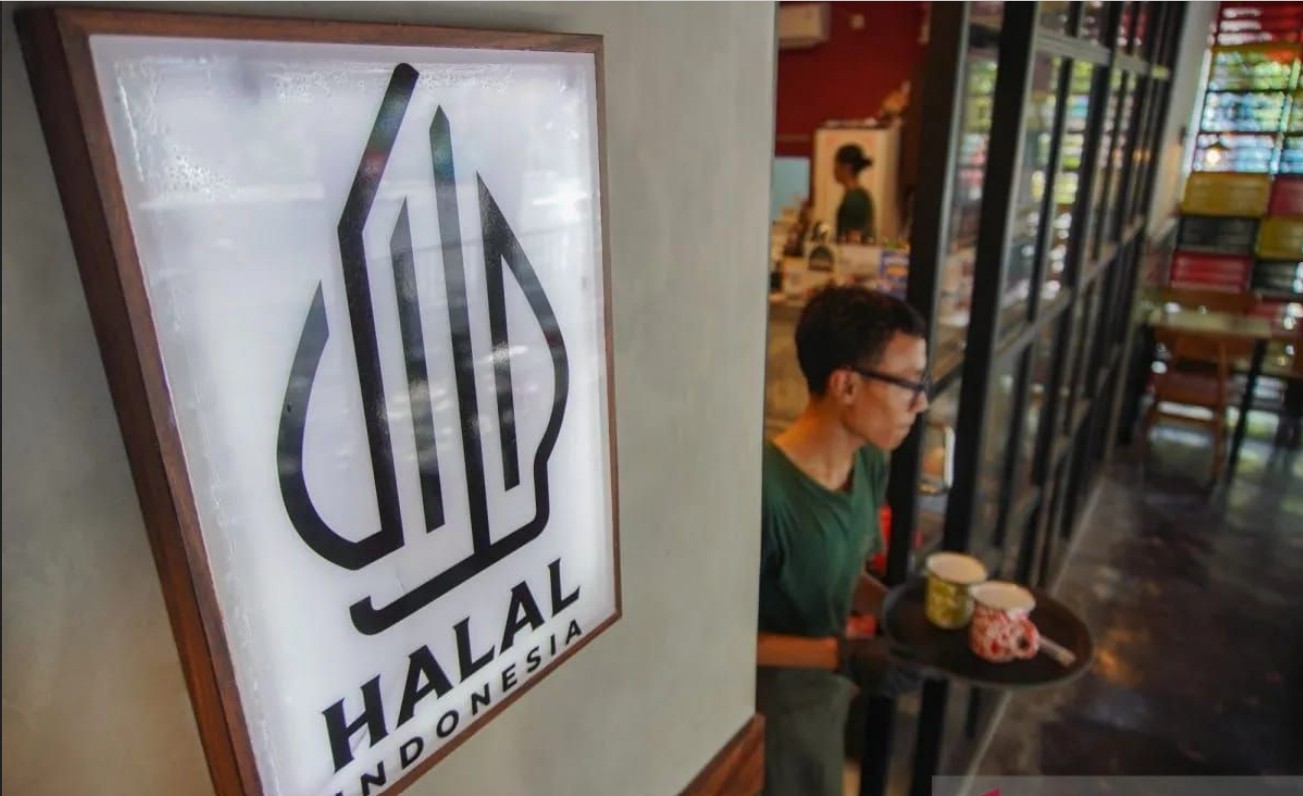
In accordance with the mandate of Law No. 33 of 2014 on Halal Product Assurance, the deadline for mandatory halal certification on October 18, 2026, is drawing near.

The government is currently strengthening the regulatory framework for Halal Product Assurance, including oversight and compliance mechanisms for business operators.

The government has pledged that implementation will prioritize guidance and education, particularly for Micro, Small, and Medium Enterprises (MSMEs) that are still in the process of completing their halal certification.

Ahmad Haikal Hasan, Head of the Halal Product Assurance Organizing Agency, emphasized that the implementation of Halal Product Assurance is not intended to ban or restrict trade.

Instead, the policy aims to provide protection and peace of mind for consumers while generating economic added value for business owners.

Haikal further reassured that the government has prepared mitigation measures so that mandatory halal enforcement proceeds hand in hand with smooth international trade.

“Halal will not disrupt international trade. I guarantee it will not interfere with international trade processes,” he affirmed.


7 Products Subject to Mandatory Halal Certification

Haikal added that the October 2026 ‘Mandatory Halal’ regulation does not only apply to food and beverage products.

The scope has been expanded to cover a broader range of product categories for micro and small enterprise products, as well as foreign (imported) and local items.

Pursuant to Government Regulation No. 42 of 2024 on the Implementation of Halal Product Assurance, products required to be halal-certified starting October 18, 2026, include:

1. Food and beverage products
2. Slaughter products and slaughter services
3. Cosmetics
4. Chemical products and genetically modified/engineered products
5. Natural medicines, quasi-drugs, and health supplements
6. Raw materials, food additives, and processing aids for food and beverage products
7. Consumer goods, including apparel and accessories, household health supplies, household appliances, religious equipment, stationery, office supplies, and Risk Class A medical devices.

Will sanctions be enforced? Yes, administrative sanctions will apply in accordance with existing regulations, ranging from written warnings, administrative fines, and the revocation of halal certificates, to product recalls from distribution.

Meanwhile, non-halal products are required to display a “Non-Halal” label on their packaging that is clearly visible, easy to read, and resistant to being erased, detached, or damaged.


Sources:  CNBC, Kompas  

Feat Image: via AntaraNews//Irfan Sumanjaya

Latest Article
Mandatory Halal Certification Takes Effect October 18, 2026: Which 7 Products Must Comply?
  In accordance with the mandate of Law No. 33 of 2014 on Halal Product Assurance, the deadline...
Indonesia Minimum Wage 2027 Proposed to Rise by Up to 9.5%, When Will It Be Finalized?
  The 2027 Provincial Minimum Wage is beginning to draw attention ahead of its scheduled determination....
Jakarta Expat Rental Market Strengthens as Foreign Investment Rises
  Jakarta’s expatriate housing market entered a new growth cycle in the first half of 2026, driven...
Suahasil Nazara Appointed New Finance Minister, Business Leaders Call for Pro‑Industry Fiscal Policy
  The sudden removal of Purbaya Yudhi Sadewa as Indonesia’s finance minister on Monday, September...
Indonesia Tourism Investment: Ministry and National Business Chamber Push Expansion Outside Jakarta and Bali
  Indonesia’s Ministry of Tourism is stepping up efforts to spread tourism investment more...

Andrzej Barski

Director of Seven Stones Indonesia

Andrzej is Co-owner/ Founder and Director of Seven Stones Indonesia. He was born in the UK to Polish parents and has been living in Indonesia for more than 33-years. He is a skilled writer, trainer and marketer with a deep understanding of Indonesia and its many cultures after spending many years travelling across the archipelago from North Sumatra to Irian Jaya.

His experience covers Marketing, Branding, Advertising, Publishing, Real Estate and Training for 5-Star Hotels and Resorts in Bali and Jakarta, which has given him a passion for the customer experience. He’s a published author and a regular contributor to local and regional publications. His interests include conservation, eco-conscious initiatives, spirituality and motorcycles. Andrzej speaks English and Indonesian.

Terje H. Nilsen

Director of Seven Stones Indonesia

Terje is from Norway and has been living in Indonesia for over 20-years. He first came to Indonesia as a child and after earning his degree in Business Administration from the University of Agder in Norway, he moved to Indonesia in 1993, where he has worked in leading positions in education and the fitness/ wellness industries all over Indonesia including Jakarta, Banjarmasin, Medan and Bali.

He was Co-owner and CEO of the Paradise Property Group for 10-years and led the company to great success. He is now Co-owner/ Founder and Director of Seven Stones Indonesia offering market entry services for foreign investors, legal advice, sourcing of investments and in particular real estate investments. He has a soft spot for eco-friendly and socially sustainable projects and investments, while his personal business strengths are in property law, tourism trends, macroeconomics, Indonesian government and regulations. His personal interests are in sport, adventure, history and spiritual experiences.

Terje’s leadership, drive and knowledge are recognised across many industries and his unrivalled network of high level contacts in government and business spans the globe. He believes you do good and do well but always in that order. Terje speaks English, Indonesian and Norwegian.

Contact Our Consultants

Ridwan Jasin Zachrie

CFO of Seven Stones Indonesia, Jakarta

Ridwan is one of Indonesia’s top executives with a long and illustrious career in the financial world. He holds several professional certifications including being a Certified Business Valuer (CBV) issued by the Australian Academy of Finance and Management; Broker-Dealer Representative (WPPE); and The Directorship Certification for Directors and Commissioners, issued by the Indonesian Institute of Commissioners and Directors.

His experience includes being the Managing Director at one of the top investment banking groups in the region, the Recapital Group, the CFO at State-owned enterprises in fishery industry and the CEO at Tanri Abeng & Son Holding. He’s also been an Independent Commissioner in several Financial Service companies and on the Audit and Risk Committee at Bank BTPN Tbk, Berau Coal Energy Tbk, Aetra Air Jakarta as well as working for Citibank, Bank Mandiri and HSBC. His last position was as CFO at PT Citra Putra Mandiri – OSO Group.

Ridwan has won a number of prestigious awards including the Best CFO Awards 2019 (Institute of Certified Management Accountant Australia-Indonesia); Asia Pacific Young Business Leader awarded by Asia 21 Network New York USA (Tokyo 2008); UK Alumni Business Awards 2008 awarded by the British Council; and The Most Inspiring Human Resources Practitioners’ version of Human Capital Magazine 2010.

He’s a member of the Board of Trustees of the Alumni Association of the Faculty of Law, Trisakti University, Co-Founder of the Paramadina Public Policy Institute and actively writes books, publications and articles in the mass media. He co-authored “Korupsi Mengorupsi Indonesia” in 2009, which helps those with an interest in understanding governance in Indonesia and the critical issue of corruption. Ridwan speaks Indonesian and English.

Per Fredrik Ecker

Managing Director of Seven Stones Indonesia, Jakarta

Per is the Managing Director of the Seven Stones Indonesia (SSI) Jakarta office and has more than 25-years’ experience in Indonesia, China, and Western Europe. He previously worked in senior management positions with Q-Free ASA, Siemens AG, and other companies in the telecom sector. Over the last six years, he has been the Chairman of the Indonesia-Norway Business Council (INBC) and recently become elected to be on the board of EuroCham Indonesia.

His most recent experience is within Intelligent Transport Solutions (ITS), Telecom, and other sectors within the Indonesian market. He is today through his position in SSI and by representing Norway Connect, promoting Nordic and European companies that would like to explore business opportunities in the Indonesian market. He’s also playing an active role to help create the Nordic House concept in Jakarta that will provide an excellent platform for Nordic companies entering Indonesia, where they’ll find a community that can offer support with trusted information and affordable services to enter this market.