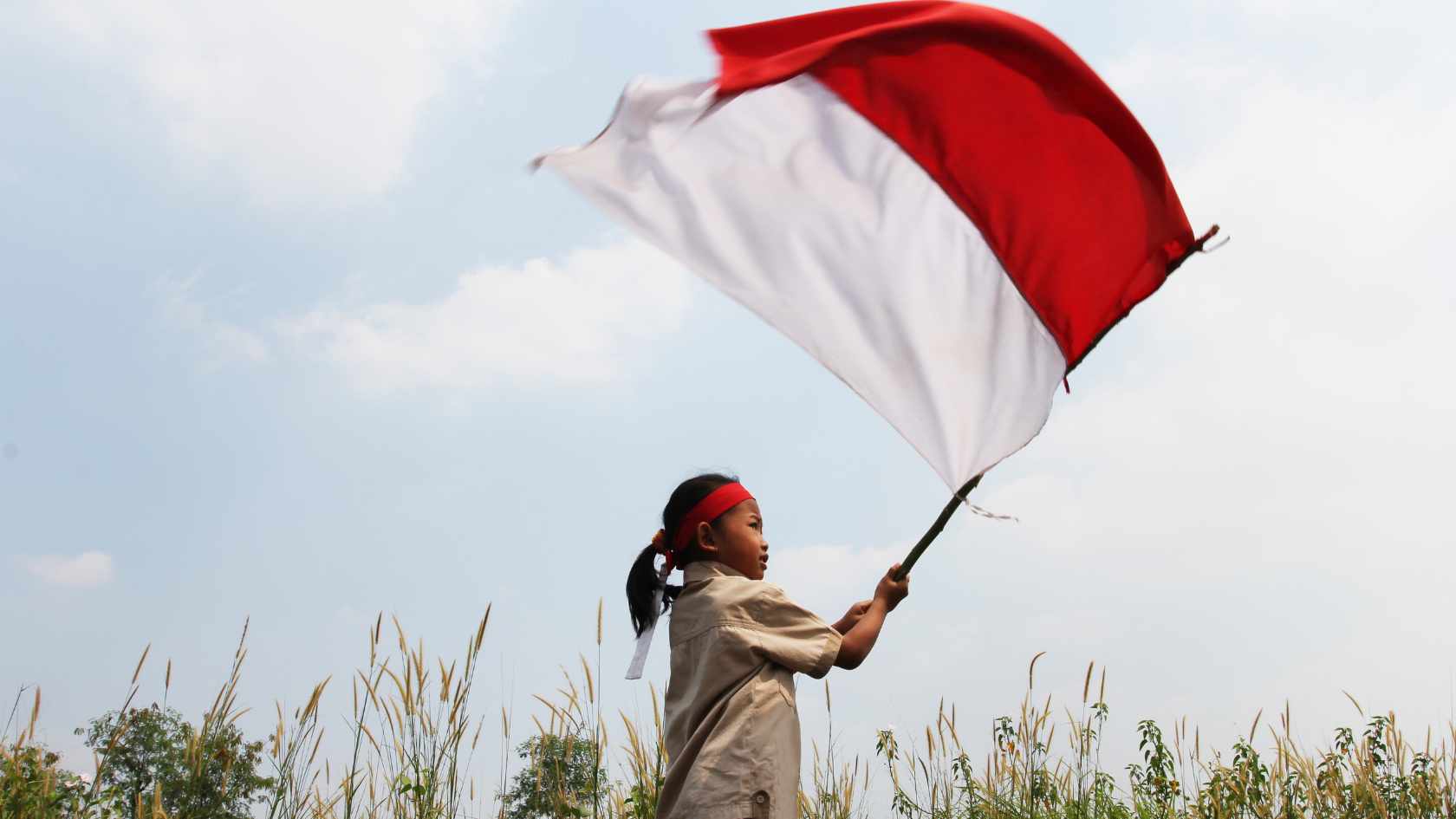
The recent Indonesia Independence Day leave announcement has stirred debate across the country. On August 7, 2025, the government officially declared Monday, August 18, as a national collective leave day. The decision follows the commemoration of Indonesia’s 80th Independence Day on August 17 and extends the celebration into a long weekend.
Authorities formalized the decision through a Joint Ministerial Decree (SKB) signed by the Minister of Religious Affairs, the Minister of Manpower, and the Minister for Administrative and Bureaucratic Reform. The revised SKB updates a previous version and adds August 18 to the 2025 national holiday calendar.
Government officials explained that the move aims to allow citizens more time to honor the historic occasion through cultural events, traditional games, and community gatherings.
Collective Leave Announcement Prompts Reactions
The collective leave announcement received support from segments of the public who welcomed the extended time off. Government leaders emphasized the intent behind the policy. “This move is meant to give the public more opportunity to celebrate Independence Day with reverence and national pride,” said Imam Machdi, Secretary of the Coordinating Ministry for Human Development and Culture.
Officials also stated that the added leave day could stimulate the tourism sector and drive local economic activity. By encouraging travel and community engagement during the long weekend, the government hopes to boost both morale and spending.
However, not all reactions were positive. The sudden announcement left many businesses scrambling to adjust their operations.
Business Response to Holiday Decision
The business response to the holiday sparked concerns over the lack of preparation time. Anggawira, Secretary-General of the Indonesian Young Entrepreneurs Association (HIPMI), acknowledged the government’s intentions but highlighted operational challenges.
“As business players, we understand that declaring national holidays, even sudden ones, is part of state policy that often considers national momentum or socio-cultural aspects,” Anggawira told CNBC Indonesia.
“However, from the business perspective, last-minute holiday announcements are disruptive, especially for sectors like industry, logistics, and manufacturing that rely heavily on strict production and distribution schedules,” he continued.
Anggawira outlined three major impacts. First, a sudden leave disrupts business certainty, particularly for SMEs and labor-intensive industries. Second, it reduces productivity due to the need to reschedule workforce deployment. Lastly, he warned of financial risks for export-import businesses due to potential delays in shipping and customs processes.
Optional Status for Private Sector
In response to growing concerns, the Indonesian Employers Association (Apindo) clarified that the collective leave is not mandatory for all. “We need to emphasize that for the private sector, collective leave is facultative or optional. Its implementation depends entirely on each company’s internal policy or agreement between employers and workers,” said Apindo Chairwoman Shinta W. Kamdani.
Companies may adjust the decision according to their operational needs. For example, manufacturing firms with continuous production schedules might opt to maintain normal operations. Meanwhile, businesses in more flexible sectors could use the day to provide a break for employees while supporting other parts of the economy.
Shinta urged companies to apply the policy wisely. “We encourage every company to manage the collective leave policy prudently, balancing operational continuity with employee well-being,” she stated.
Why the Government Added August 18
The government framed the decision as an effort to promote national unity and support the economy. Officials stressed that the additional day off was designed to expand public participation in Independence Day events while boosting domestic tourism and consumption.
The SKB was signed by Minister of Religious Affairs Nasaruddin Umar, Minister of Manpower Yassierli, and Minister for Administrative Reform Rini Widyantini. It modifies SKB Nos. 1017/2024, 2/2024, and 2/2024, officially revising the national holiday schedule for 2025.
Balancing National Spirit and Economic Impact
The revision to the national holiday schedule for 2025 has sparked both enthusiasm and concern. While the extra day off offers social and cultural benefits, the business community has called for better planning and intersectoral coordination. Moving forward, more structured communication may help ensure that future holiday declarations can inspire national pride without disrupting essential economic activities.
Source: cnbcindonesia.com, money.kompas.com, kemenkopmk.go.id
Image: Yamtono Sardi / Getty Images