
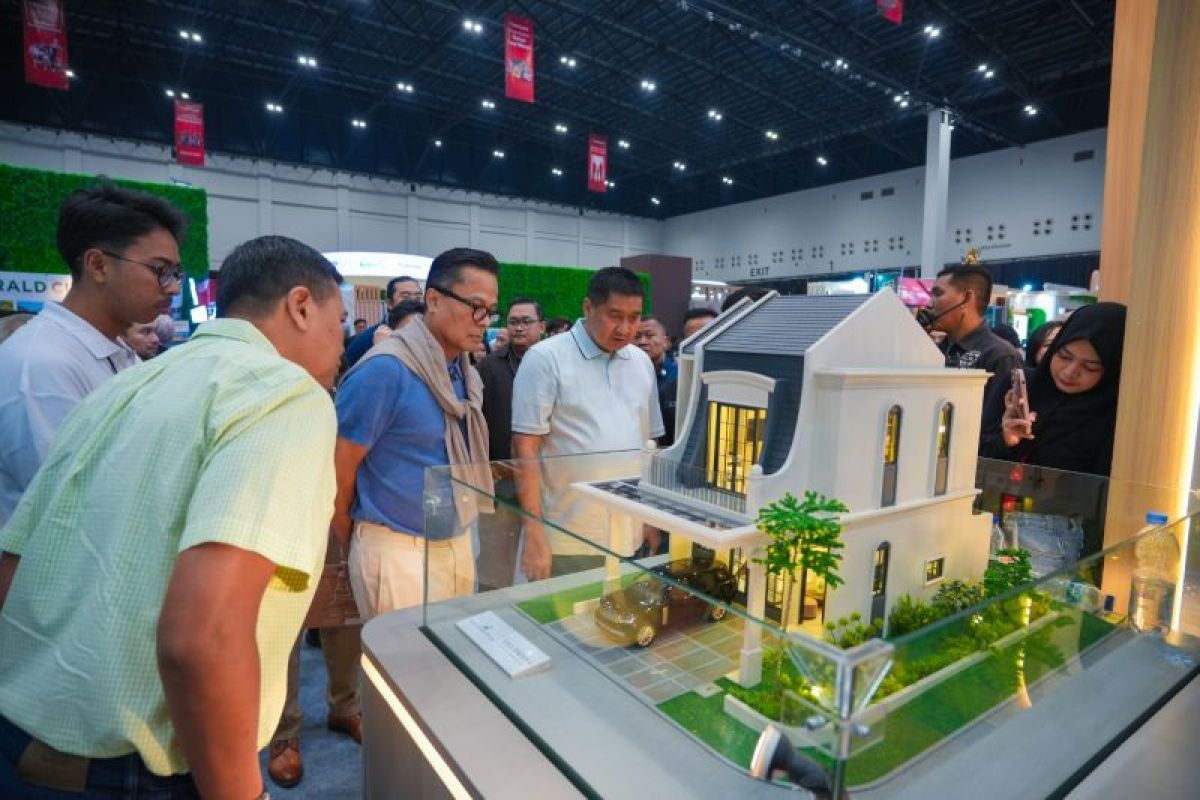
Indonesia’s property market continued to show signs of a more structured recovery in the third quarter of 2026. However, the rebound has not been evenly distributed across all sectors.
Today, factors such as asset quality, strategic location, operational efficiency, affordability, and the ability of developers and operators to meet changing consumer expectations are becoming key differentiators in an increasingly competitive market.
According to Colliers Indonesia’s Q3 2026 Property Market Report, activity continued to improve across several sectors, including offices, residential properties, retail, warehousing and logistics, and hospitality.
Ferry Salanto, Head of Research at Colliers Indonesia, said the current recovery requires industry players to adapt their strategies to evolving consumer preferences and changing space requirements.
“Although recovery is becoming increasingly visible across various property sectors in Indonesia, market players can no longer rely solely on cyclical improvements. The best-performing assets are those that can adapt to the evolving preferences of tenants, buyers, and consumers, while delivering value beyond price considerations alone,” Ferry said in the report.
Value Creation Than Market Optimism
Even as market activity improves, tenants, investors, and consumers are becoming increasingly selective in their decision-making. Rather than relying solely on expectations of market growth, they are placing greater emphasis on value-added offerings and the ability of developers and operators to deliver on their promises.
According to Colliers Indonesia, the next stage of the recovery will not be determined solely by rising demand, but by how effectively asset owners, developers, and operators respond to shifting market expectations.
Location quality, flexibility, cost efficiency, and user experience are all becoming critical factors in maintaining competitiveness.
In Jakarta’s office market, leasing activity continued to improve during the third quarter of 2026. After several years dominated by downsizing, relocations, and workplace optimization, signs of selective expansion demand are beginning to emerge.
However, the improvement does not yet fully reflect new demand growth, as much of the activity still comes from tenants relocating between buildings.
Overall, the report suggests that Indonesia’s property market is entering a more selective phase of recovery.
While improving market activity is creating fresh opportunities for industry players, it does not automatically guarantee success for every asset.
The ability to offer relevant products, manage costs efficiently, maintain service quality, and understand user needs will increasingly determine who comes out ahead.
In this environment, developers, investors, asset owners, and operators that can deliver genuine value while executing their strategies consistently are likely to benefit the most from Indonesia’s ongoing property market recovery.
Sources: PropertyBank, Industry
Feat Image: via Danantara