Indonesia’s special economic zones continue to strengthen national tourism by attracting investment and improving regional development. The government aims to accelerate growth by developing tourism and creative economy hubs across the country. It supports this plan with integrated infrastructure, simplified licensing, and a long-term strategy for job creation.
Government Strategies for Special Economic Zones
The government reinforces its commitment to developing special economic zones through clear regulations and targeted investment incentives. According to Government Regulation No. 2 of 2011, an SEZ is “a designated area in Indonesia established to carry out economic functions and receive specific facilities.” This definition guides national efforts to expand SEZs that focus on tourism and the creative economy.
Officials now prioritize integrated tourism areas that support entertainment, recreation, exhibitions, and cultural experiences. These goals align with the country’s diverse natural attractions, which hold strong potential for growth. Furthermore, the government encourages domestic and foreign investors by offering streamlined processes and strategic locations.
Tourism Hubs Leading Indonesia’s SEZ Expansion
Several key SEZs play major roles in strengthening Indonesia’s tourism landscape. Each location offers a unique advantage that contributes to national economic objectives.
Notable SEZs include:
- Mandalika: Facing the Indian Ocean, Mandalika offers stunning marine tourism and rich cultural experiences, including the Bau Nyale ritual. The area also features an international racing circuit and targets Rp40 trillion in investment and 587,000 jobs by 2025.
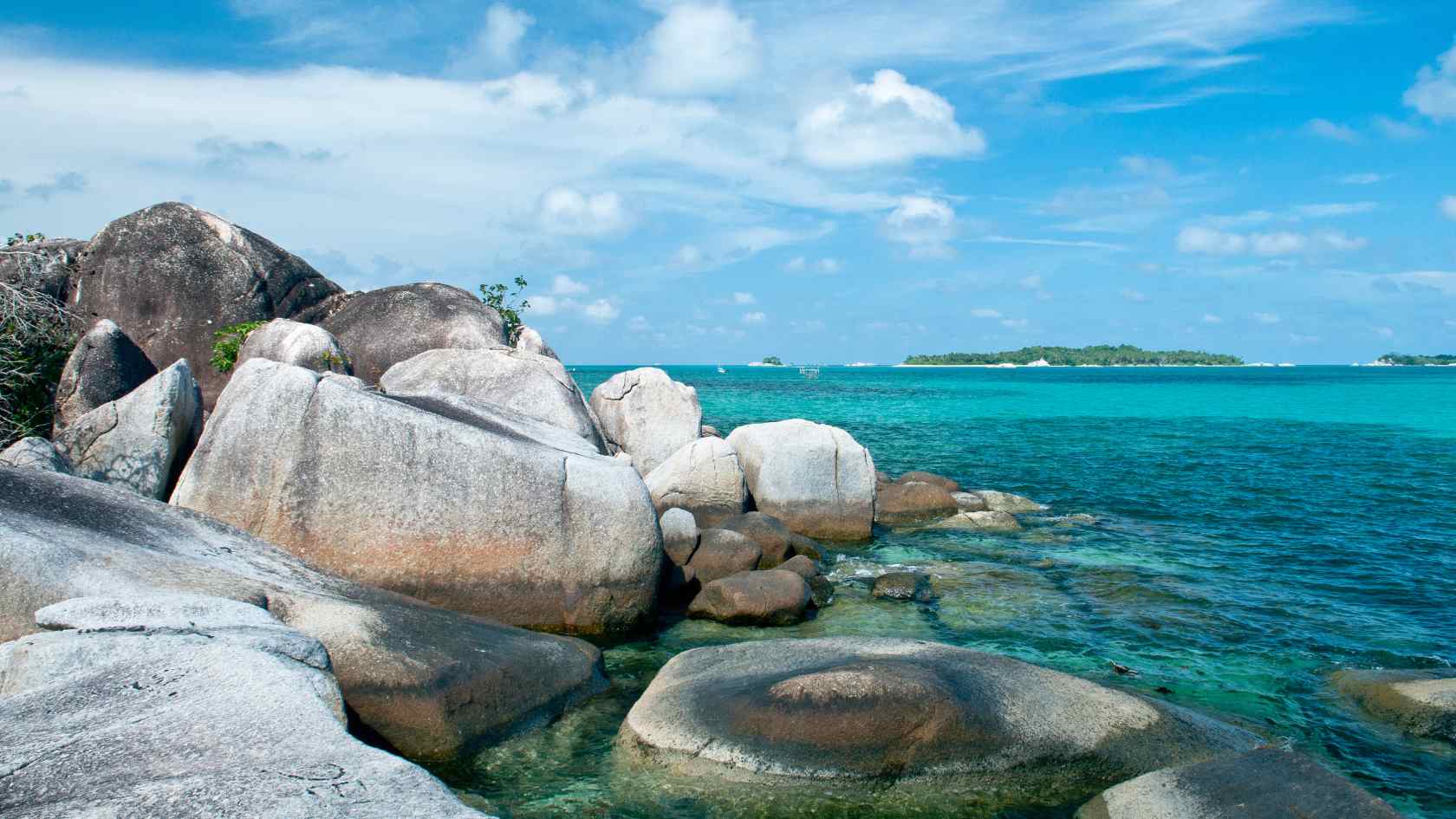
- Tanjung Kelayang: Located in the Bangka Belitung Islands, this SEZ promotes responsible development and cultural preservation. It features white sand beaches and iconic granite formations. The zone aims to attract Rp10.3 trillion in investment and create 5,000 jobs by 2036.
- Likupang: Positioned near Sam Ratulangi International Airport, Likupang focuses on premium and mid-range resorts and cultural tourism. The area prioritizes conservation through the Wallace Conservation Center and targets Rp5 trillion in investment and 65,300 jobs by 2040.
- Tanjung Lesung: With 1,500 hectares of beaches, biodiversity, and cultural heritage, this SEZ seeks Rp92.4 trillion in investment and plans to create 85,000 jobs by 2025.
- Singhasari: This zone highlights heritage and historical tourism while supporting a digital and creative economy ecosystem. It targets Rp11.92 trillion in investment and 6,863 jobs by 2030.
- Morotai: Located near ASEAN and East Asian markets, Morotai offers marine and historical tourism. It expects Rp30.44 trillion in investment and aims to create 30,000 jobs by 2025.
Regional Benefits and Investor Opportunities
Tourism-focused SEZs create strong economic advantages for local communities and investors. These areas generate jobs, attract tourism spending, and stimulate infrastructure improvements. Each SEZ provides access to airports, ports, and transportation networks that support efficient movement of visitors and goods.
Investors gain opportunities across hospitality, cultural attractions, and creative industry development. Regions with SEZ status also enjoy long-term government support that reduces risks and encourages sustainable growth. As these zones expand, they deliver broader economic benefits by increasing regional competitiveness and improving community welfare.
Addressing Development Challenges Ahead
Despite strong momentum, several challenges remain. Infrastructure delays, environmental risks, and a shortage of skilled workers could slow progress in certain regions. However, the government continues to address these issues through new training programs, better planning, and sustainable tourism guidelines. In addition, several SEZs are preparing to expand digital ecosystems and creative industry platforms to support long-term development.
The Future of Special Economic Zones in Indonesia
Indonesia expects tourism-focused SEZs to deliver stronger national growth in the coming years. These zones attract investment, create jobs, and strengthen regional economies. With ongoing development and government support, SEZs will continue to shape the future of tourism and the creative economy nationwide.
Source: rri.co.id
Image: Getty Images