
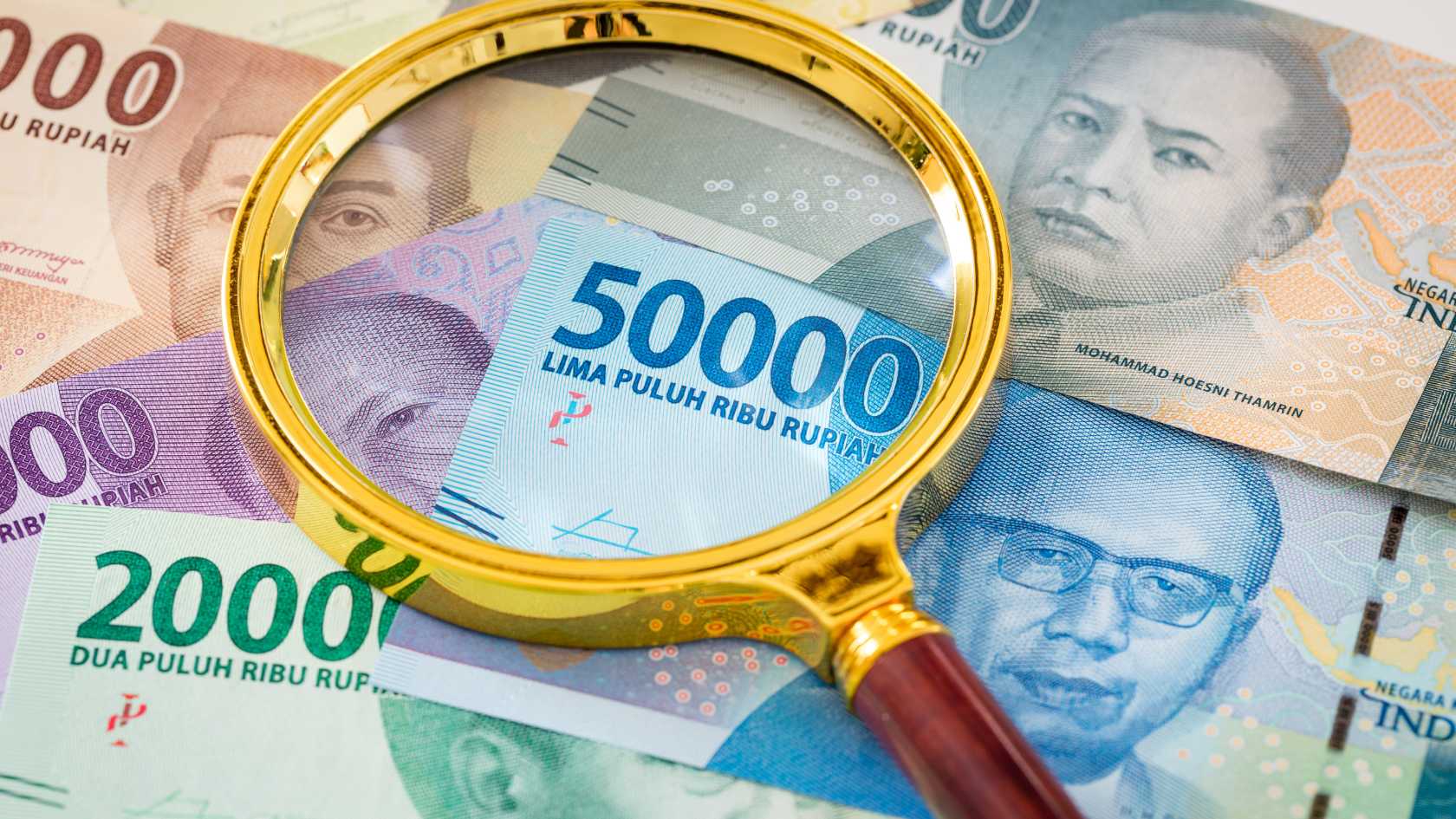
The rupiah redenomination plan will not harm Indonesia’s investment climate, according to Danantara Chief Operating Officer (COO) Dony Oskaria. He expressed strong confidence that the government has thoroughly studied the policy before moving forward. Speaking to the media in Jakarta on November 11, Dony reassured the public that the redenomination plan aims to strengthen, not destabilize, Indonesia’s economy. He emphasized that every government decision goes through a careful review to maintain national stability and investor trust.
Dony explained that the redenomination policy should not raise concern among business players. Instead, it demonstrates how the government continues to prioritize long-term economic health and public confidence. He stated that the private sector should focus on growth and cooperation rather than fear of potential market shifts.
Government’s Confidence in the Rupiah Redenomination Plan
The Indonesian government remains confident in the rupiah redenomination plan, having prepared it through a comprehensive and strategic framework. The policy forms part of the Ministry of Finance’s long-term vision to modernize the currency system and strengthen economic efficiency. Official documents show that the government targets completion of the redenomination process by 2027, as outlined in the Ministry of Finance Regulation (PMK) Number 70 of 2025.
This regulation also details the 2025–2029 Strategic Plan, highlighting redenomination as one of four major draft laws under preparation. The government believes that simplifying the currency will make financial transactions more efficient, improve competitiveness, and reduce the risk of confusion among consumers and businesses. Overall, the plan aims to reinforce the nation’s economic credibility and support sustainable growth.
Read More: Government Urges Switzerland to Boost Investments in Indonesia
Danantara’s Assurance to Investors
Danantara has shown complete trust in the government’s decision-making process regarding the redenomination policy. Dony Oskaria stated, “Oh, I think the government has surely thought it through. There must have been an in-depth study, so there’s no need to worry.”
He further emphasized that Danantara has no concern about potential negative effects on investment. “Oh, not at all, not in the slightest (worried), because for us, whatever the government does must be something good and well-considered. It’s impossible to make a policy without deep consideration — everything has surely been well thought out,” Dony added.
This position demonstrates how the private sector continues to align with national policy objectives. Danantara believes the government always prioritizes national interests, ensuring that reforms such as redenomination enhance welfare and business sustainability.
Read More: Danantara to Invest Rp165T, Targets Local and Global Deals
Economic Efficiency Drives the Rupiah Redenomination Plan
The rupiah redenomination plan aims to simplify currency values and streamline financial transactions. According to the Ministry of Finance, the reform seeks to create a more efficient and competitive economic environment. It also aligns with Indonesia’s broader goal of improving global market confidence in the rupiah.
Redenomination helps strengthen the credibility of the national currency while maintaining its real value. The process does not reduce people’s purchasing power or change the actual worth of goods and services. Instead, it improves clarity in pricing and accounting, especially in digital transactions and cross-border trade. Such measures are expected to make Indonesia’s economy more transparent, efficient, and future-ready.
Ensuring Long-Term Market Stability
The government continues to work closely with financial institutions to safeguard price stability during the redenomination transition. Coordination between the Ministry of Finance and Bank Indonesia ensures that monetary and fiscal policies stay aligned. This cooperation supports a smooth implementation process and prevents inflationary pressure.
Through consistent policy communication, the government also aims to maintain public trust. Clear messaging helps avoid confusion and reassures investors that the redenomination only changes the numerical expression of the currency, not its value. This proactive approach reinforces Indonesia’s reputation for economic resilience and policy discipline.
Building Confidence Through Stable Policy
Danantara’s confidence reflects the broader sentiment that Indonesia’s economic foundation remains strong. The rupiah redenomination plan serves as a tool to enhance efficiency and global competitiveness. By simplifying the national currency, Indonesia takes another step toward a more transparent and modern economy.
Ultimately, the policy strengthens market confidence and ensures long-term stability. As Dony Oskaria emphasized, the government always acts in the nation’s best interest, making decisions through deep analysis and careful planning. This approach keeps Indonesia’s economy on a steady path toward growth and international credibility.
Source: merdeka.com
Image: Andrzej Rostek / Getty Images