
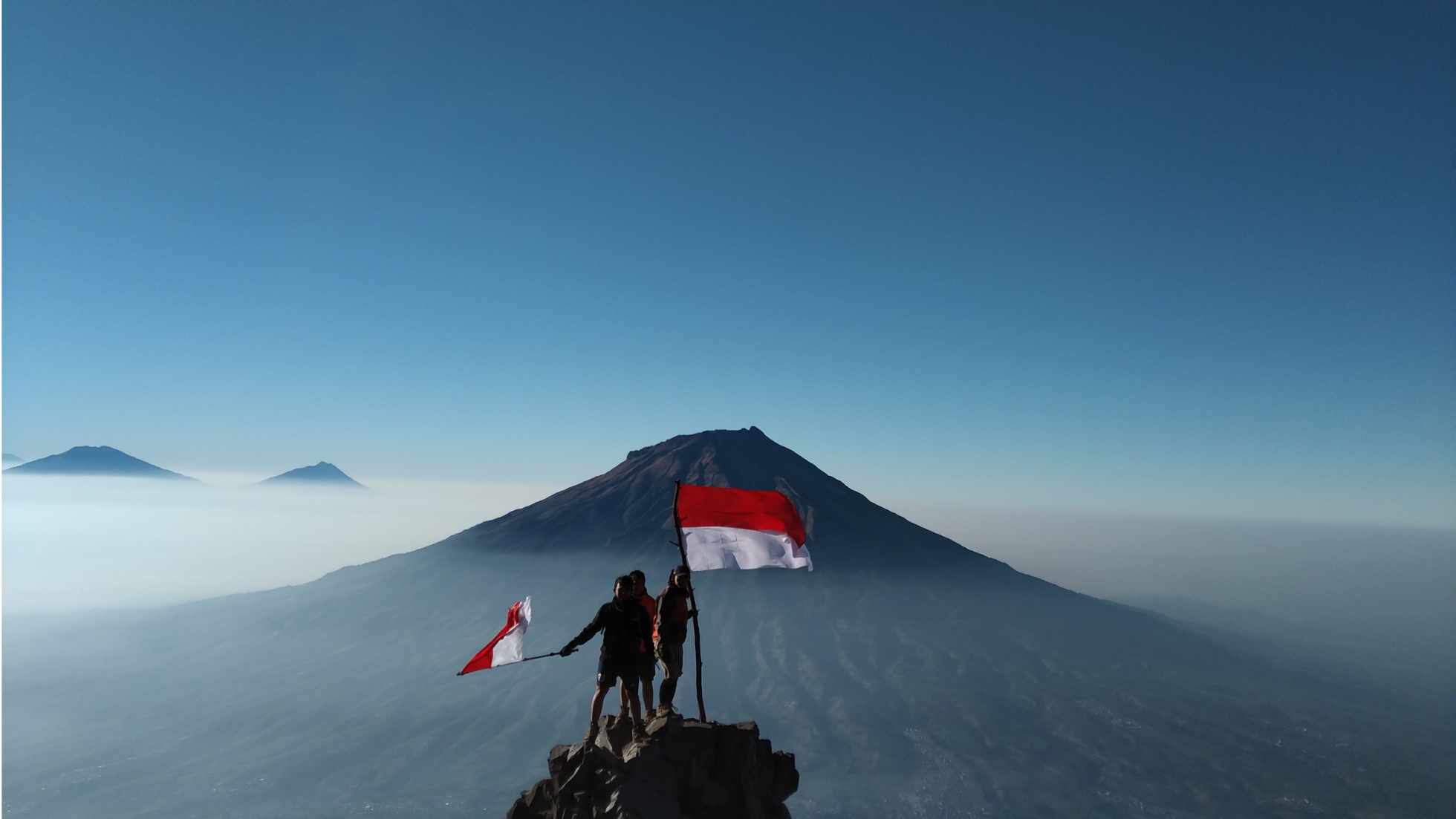
The Ministry of Tourism (Kemenpar) is leading a nationwide effort to strengthen sustainable tourism development through 2029. Together with ten provinces under the Mitra Praja Utama (MPU) regional cooperation forum, Kemenpar held a joint meeting and discussion in Sanur, Bali, to address strategic tourism issues and solidify long-term goals. The collaboration aims to create high-quality, eco-conscious destinations while ensuring regional readiness in areas such as disaster management and community development.
Kemenpar and Provinces Unite for Sustainable Tourism Development
The Ministry of Tourism, alongside ten provinces—Lampung, Banten, DKI Jakarta, West Java, Yogyakarta, Central Java, East Java, Bali, West Nusa Tenggara (NTB), and East Nusa Tenggara (NTT)—has committed to aligning policies for sustainable tourism development. These regions will implement concrete actions over the next five years based on shared priorities and collaborative planning.
Assistant Deputy for Strategic Management at the Ministry of Tourism, Dr. I Gusti Ayu Dewi Hendriyani, highlighted the importance of focusing on achievable goals by 2029. She stated, “In the National Medium-Term Development Plan (RPJMN) 2025–2029, quality and sustainable tourism are set as priorities.” She explained that the ministry has also designed a roadmap for sustainable tourism through 2045, with the next four years serving as a foundation for that long-term vision.
The plan emphasizes institutional strengthening, destination governance, and human resource development to ensure Indonesia remains competitive as a global tourism destination.
Green Tourism Initiatives Lead Indonesia’s 2029 Vision
A central pillar of the strategy involves implementing green tourism initiatives across the archipelago. Dewi Hendriyani noted that enhancing competitiveness requires multiple approaches, such as:
- Developing Special Economic Zones (KEK) for tourism.
- Expanding marine tourism to support the blue economy.
- Promoting sustainable transformation across key destinations.
“There are still other efforts to boost competitiveness, such as developing KEK Tourism and promoting marine tourism to support the blue economy. All of these are part of transforming toward sustainable tourism,” she said.
The ministry also encourages infrastructure projects that prioritize sustainability, including waste management, eco-friendly accommodations, and renewable energy use within key destinations. By investing in green infrastructure, the government seeks to balance tourism growth with environmental preservation.
Read More: Bali Wellness Tourism Offers Big Potential for Investors
Strengthening Regional Tourism Cooperation Across Provinces
Another major focus is enhancing regional tourism cooperation through interprovincial coordination and shared programs. The Mitra Praja Utama forum, which includes ten provinces, serves as a strategic platform for aligning tourism policies and ensuring consistency in development goals.
Chief Expert of the FKD–MPU Joint Secretariat, Hailul Khairi, explained that the collaboration goes beyond tourism. Six key agendas were discussed:
- Food security
- Tourism
- Social welfare
- Disaster management
- Digital governance
- Public safety
He emphasized, “With this annual joint meeting, all participating regions are focusing on translating cooperation agreements into concrete actions that have not yet been followed up in the field, including in tourism.”
Each province is required to prepare annual action plans integrated into their local budgets. These plans help streamline interprovincial coordination and ensure that projects are implemented effectively on the ground. Hailul highlighted a recent example of cooperation when East Java assisted Bali during a flood emergency. “For instance, when Bali recently experienced flooding, our Secretariat immediately gathered representatives from all ten provinces to discuss how to assist. By the second day, the response had been completed,” he said. This collaboration, he added, demonstrates the value of solidarity across provinces.
Read More: Why Labuan Bajo Tourism Investment Is on the Rise
Driving Tourism Growth Strategy Through Innovation and Promotion
The ministry is also encouraging regions to enhance innovation and digital promotion as part of the broader tourism growth strategy. Dewi Hendriyani urged local governments to be proactive in promoting their destinations. “When it comes to promotion, regions must be proactive, whether through social media or other programs. Another key point is targeting high-spending tourists. This ensures greater economic circulation within local communities,” she stated.
Kemenpar plans to support these efforts by strengthening tourism ecosystems, attracting investment, and fostering inclusive industry growth. Key initiatives include:
- Organizing events that highlight regional culture and heritage.
- Engaging local communities in destination management.
- Expanding international marketing campaigns to attract global visitors.
These actions will play essential roles in driving tourism sustainability through 2029.
Strengthening Collaboration Toward Sustainable Tourism
Indonesia’s tourism agenda through 2029 reflects a strong commitment to collaboration and innovation. By aligning national and regional efforts, the Ministry of Tourism and participating provinces aim to build a tourism sector that supports both economic resilience and environmental stewardship. As Dewi Hendriyani and Hailul Khairi emphasized, cooperation remains the cornerstone of success in achieving sustainable tourism for Indonesia’s future.
Source: beritakota.id
Image: idri5 / Pixabay