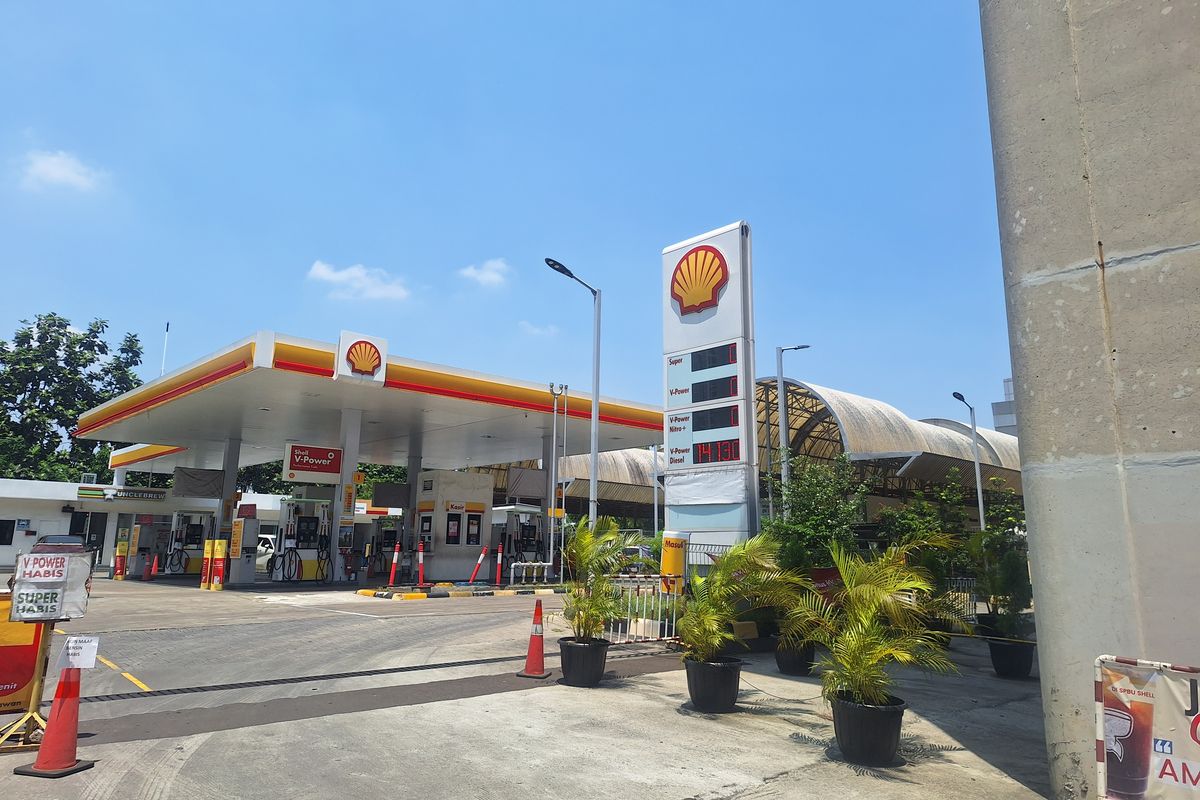
PT Shell Indonesia announced a major change as its gas station business in Indonesia will shift to a new joint venture between Citadel Pacific Limited and Sefas Group. The transfer, set for completion in 2026, represents a strategic move rather than a response to fuel shortages. Both Shell and the Ministry of Energy and Mineral Resources (ESDM) confirmed that fuel supplies in the country remain secure, ensuring customers can continue accessing Shell’s products without disruption.
Shell Ownership Transfer
The decision to transfer Shell’s ownership began in May 2025 when the deal with Citadel Pacific and Sefas Group was approved. The process is ongoing and subject to regulatory approval, with a projected conclusion in 2026. Vice President Corporate Relations of Shell Indonesia, Susi Hutapea, stressed that the transition will not impact fuel availability.
“There is no impact on the transfer of ownership of Shell gas station business in Indonesia. All parties remain committed to the agreement,” she said as reported by Kompas.com. She also emphasized Shell’s cooperation with authorities to support a positive outcome. “We continue to coordinate with the relevant government and anticipate positive results in the transfer process of Shell’s gas station business in Indonesia,” she concluded.
Shell Gas Station Business Model
Shell’s current operations in Indonesia cover around 200 gas stations, with more than 160 directly owned, along with a fuel terminal in Gresik, East Java. Once the transfer is finalized, the Shell brand will remain in Indonesia under a brand licensing agreement. This model reflects Shell’s global approach, already applied in over 50 markets worldwide for its Mobility & Convenience business.
Fuel products will remain accessible to customers. As Hutapea explained, “Fuel products will be supplied through Shell, and customers will continue to have access to Shell’s high-quality fuels.” This assurance highlights the continuity of Shell’s services despite the ownership change.
Citadel Pacific and Sefas Group Partnership
The incoming operators bring substantial experience. Citadel Pacific is a diversified company with operations across the Asia-Pacific region. It already manages Shell brand licenses in Guam, Saipan, Palau, Macau, and Hong Kong. Sefas Group, meanwhile, stands as Shell’s largest lubricant distributor in Indonesia, with extensive reach in the domestic market. Their joint venture will assume ownership of the gas station business while leveraging Shell’s global brand.
The partnership underscores Shell’s strategy to entrust its retail operations to companies with proven capability while maintaining brand presence through licensing.
Indonesia Fuel Supply Safe
Concerns about supply disruptions have been addressed by the government. Director General of Oil and Gas at the Ministry of ESDM, Laode Sulaeman, assured that Shell’s exit would not affect national fuel security. “There is no impact (on fuel supply in Indonesia). Supply is still secure, there is no effect (from Shell exiting the gas station business),” he said during a public statement.
Reports of fuel shortages at some Shell stations were linked to ongoing negotiations with Pertamina. Private operators, including Shell and BP-AKR, depend on Pertamina for supply under existing agreements. Laode explained, “The key points (of negotiations between private firms and Pertamina), I don’t know, it’s business to business (B2B). The Ministry only monitors. We want it implemented (private firms buying fuel from Pertamina).” He added that progress was expected soon, noting, “Must, must, must (Shell and others buy fuel from Pertamina). No, there is no deadlock. There was already an agreement, only the details remain. Just wait, this week there will be another agreement (for private gas stations to buy fuel from Pertamina).”
Shell Brand License Indonesia Secures Market Presence
Even as Shell steps away from direct SPBU operations, the company continues to view Indonesia as a core growth market. It operates a lubricant plant with an annual capacity of 300 million liters and is building a grease manufacturing plant in Marunda with a planned capacity of 12 kilotons per year. Additionally, Shell’s acquisition of EcoOils in 2022 expanded its low-carbon fuel portfolio in the region. These commitments underline Shell’s intent to strengthen its position in the Indonesian energy market beyond fuel retail.
What This Means for Consumers
For consumers, the change means little disruption. Shell fuels will remain available, the brand will stay in the market, and fuel supplies are secure. The ownership shift to Citadel Pacific and Sefas Group reflects Shell’s broader business strategy while ensuring customers continue to access the same trusted products. In the long run, Indonesia stands to benefit from a stronger lubricant sector and continued investment in energy infrastructure.