
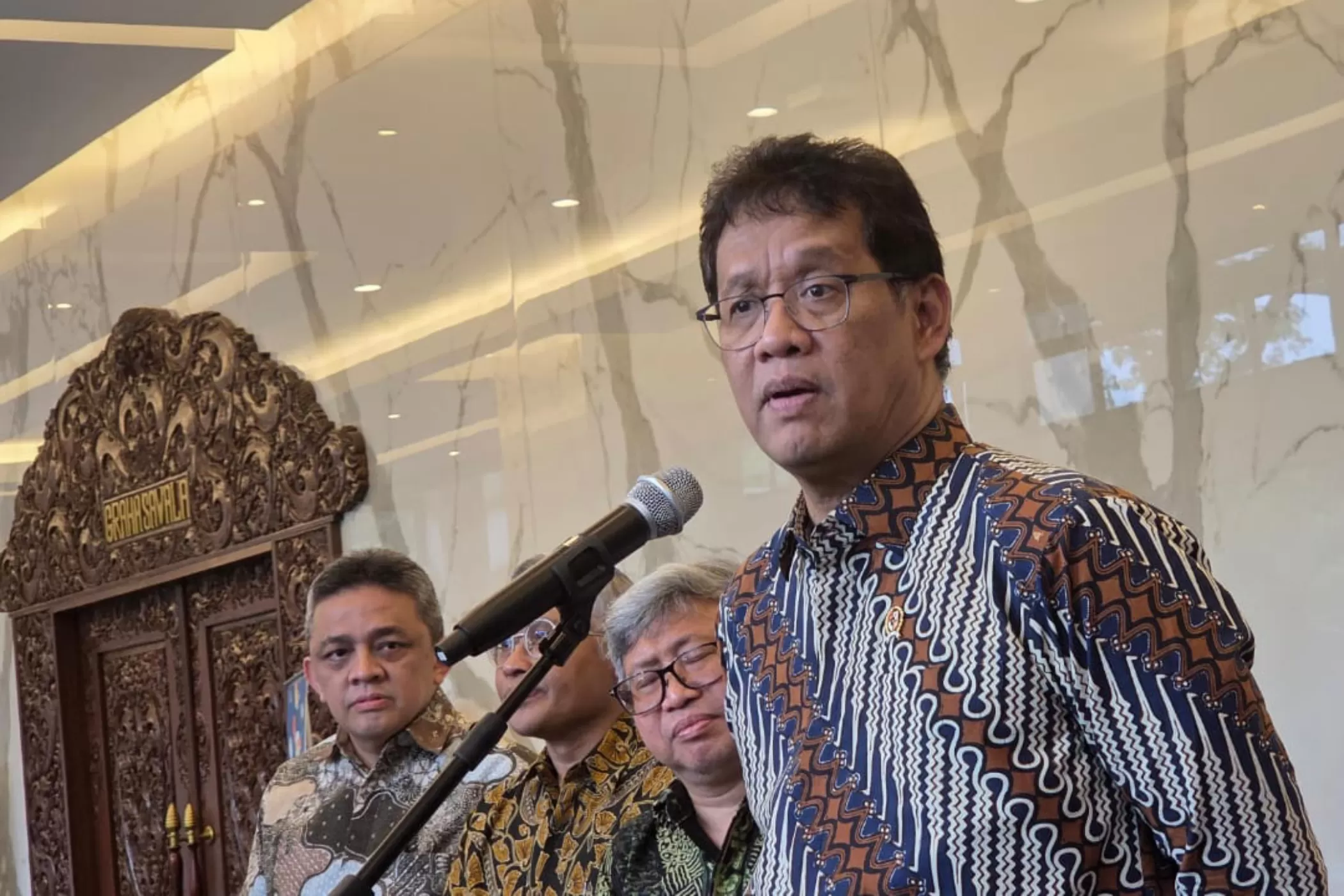
The Indonesia Tax Amnesty debate resurfaced this week after Finance Minister Purbaya Yudhi Sadewa firmly rejected the idea of launching another round of the program. He argued that repeated amnesties damage the government’s credibility and encourage taxpayers to delay compliance in expectation of future forgiveness. His remarks reignited discussions about the fairness of the system and the direction of government tax policy.
Indonesia Tax Amnesty Debate Resurfaces
Tax amnesty in Indonesia is a program that allows taxpayers to disclose previously hidden assets and pay a redemption fee in exchange for relief. The program offers the removal of overdue principal tax, administrative sanctions, and even past tax crimes. Participants also avoid a 200 percent penalty if the Directorate General of Taxes later uncovers undisclosed assets.
The legal framework for Indonesia’s tax amnesty lies in Law Number 7 of 2021 on the Harmonization of Tax Regulations and Minister of Finance Regulation Number 196/PMK.03/2021. The most notable applications of this policy occurred during President Joko Widodo’s administration. The first was in 2016–2017, conducted in three phases over nine months, followed by the 2022 Voluntary Disclosure Program (PPS). While open to all taxpayers, these initiatives primarily attracted the wealthy with significant tax obligations.
Read More: Indonesia Extends 0.5 Percent Tax Break for MSMEs
Finance Minister Purbaya’s Strong Opposition
Finance Minister Purbaya has taken a firm stance against repeating such measures. He stressed that ongoing amnesties weaken the government’s credibility and reward non-compliance. “If amnesty happens repeatedly, what about its credibility? It signals to taxpayers that it’s fine to break the rules since there will be another amnesty in the future,” he said in Jakarta.
Purbaya elaborated further, pointing out how repeated programs foster a culture of dishonesty. “Every few years, we issue a tax amnesty. It’s already once, twice, then three, four, five, six, seven, eight, and so on. The message becomes: just cheat on your taxes and wait for the next amnesty to clear it up. That’s what must not happen.”
For him, tax amnesties serve as short-term incentives for evasion rather than long-term compliance. “If every two years there’s a tax amnesty, it will only incentivize people to cheat,” he emphasized.
Read More: Economic Policy Changes Under New Indonesia Finance Minister
Business Response to Tax Amnesty Rejection
Business groups have expressed mixed reactions to Purbaya’s rejection. Deputy Chair for Regional Autonomy at the Indonesian Chamber of Commerce and Industry (Kadin), Sarman Simanjorang, agreed that the program had limited impact. “Regarding the Finance Minister’s policy of not implementing tax amnesty, we have felt that the program has not been effective in improving tax compliance,” said Sarman.
He argued that the growth of digital services such as Coretax offers a more effective approach to building compliance. With easier access to tax systems, businesses have fewer excuses to delay or avoid reporting. Sarman urged the government to intensify outreach and improve service quality so that revenue targets can be achieved without relying on amnesty.
Leaders in the labor sector shared similar views. Bob Azam, Head of Manpower at APINDO, pointed to the negative effects on credibility. “What matters is building an environment where people enjoy paying taxes because they feel valued and respected. Not like now, where we feel like convicts,” he said. Bob also recommended adopting systems that reward trust, such as automatic tax refunds seen in other countries, which could foster confidence in Indonesia’s tax system.
Government Tax Policy Alternatives
Instead of new amnesty programs, the Finance Minister highlighted plans for a market-based approach to strengthen the national economy. The government aims to encourage Indonesians to bring their dollar savings back home through attractive incentives. “The plan is how to attract dollars that Indonesians like to keep abroad back into the country. It’s still not finalized, but we’re refining it. From what I see, the plan is actually very good,” said Purbaya.
Such a strategy could boost foreign exchange reserves, increase the supply of dollars in local banks, and support the financing of strategic government projects. More importantly, it offers a sustainable way to ensure that foreign currency inflows remain steady without relying on short-term forgiveness measures.
Future of Taxation in Indonesia
Finance Minister Purbaya’s rejection of repeated tax amnesty programs signals a turning point in Indonesia’s approach to taxation. His position underscores the need for credibility, fairness, and long-term compliance rather than quick fixes. With growing support for digital services, improved communication, and new market-based policies, Indonesia appears ready to shape a tax system that strengthens trust and encourages sustainable economic growth.
Source: money.kompas.com, tintahijau.com
Image: Nurul Fitriana / JawaPos.com