
Bali Digital Economy Gains Momentum with QRIS Growth

Officials launch Baligivation 2025 to promote Bali digital economy and support QRIS adoption across the island.

Bali’s digital economy development is gaining traction as Bank Indonesia (BI) strengthens its push for digital innovation across the island. With the tourism sector no longer the sole economic driver, Bali is embracing digital transformation as a new engine of growth. The rapid rise in QRIS (Quick Response Code Indonesian Standard) adoption reflects this shift, supported by public participation, government policy, and a thriving creative ecosystem.


QRIS Transactions Fuel Bali Digital Economy

BI reported a sharp increase in QRIS transactions in Bali, highlighting a clear transition toward non-cash payments. As of March 2025, QRIS transaction value had reached IDR 1.54 trillion, with 10.7 million transactions recorded. The number of merchants reached 959,040, and the user count exceeded 1.09 million.

“QRIS is the public’s non-cash payment tool. So it will continue to function effectively, and I don’t believe the U.S. Treasury’s concerns will have any impact,” said Erwin Soeriadimadja, Head of BI’s Bali Representative Office, as reported by Nusabali.com.

Erwin also emphasized that QRIS connects directly with banks, MSMEs, and merchants, driving the digital ecosystem forward. The momentum highlights Bali’s readiness to expand beyond tourism and into inclusive digital commerce.


Read More: BI: Digital Payments Boost Growth of Digital Economy


Baligivation 2025: Driving Public Engagement

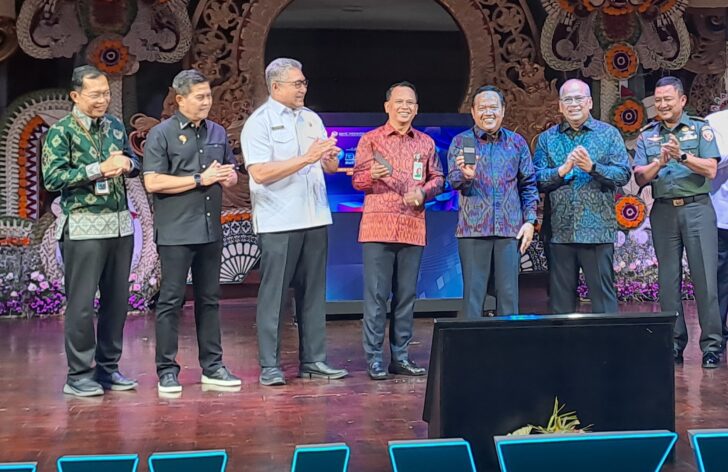
To build awareness and participation in digital initiatives, BI Bali launched Baligivation 2025. This festival showcases Bali’s progress in digital innovation through exhibitions, education, and digital competitions. The event runs from April to August 2025 under the theme “Realizing Bali as a Digital Island to Enhance Inclusivity.”

“We want to build smart, empowered consumers who understand how to transact safely and comfortably in the digital space. This is crucial for the progress of digitalization in Bali,” said Erwin.

Baligivation includes programs like the QRIS Summer Run on June 15, designed to improve user experience with digital transactions. It also encourages participation from content creators, students, and the general public.


Government and BI Collaboration for Digital Growth

BI’s efforts align with the Bali Provincial Government’s six priority programs introduced by Governor Wayan Koster. One of those priorities is the development of Bali as a secure and inclusive digital island. BI and local governments collaborate to support this goal through regulation, education, and infrastructure.

The government has already issued regional regulations for creative and digital economies. It is also building digital infrastructure down to the village level, including the Turyapada Tower, to strengthen networks in North Bali.

“This collaboration aims to realize Bali as a Digital Island,” said Erwin during the Baligivation 2025 Kickoff as cited by bisnis.com.


Strengthening the Bali Digital Economy Ecosystem

Bali digital economy momentum also stems from successful digitization of local taxes and retributions. All provincial and city governments in Bali now use cashless systems, resulting in higher regional revenue. According to the Directorate General of Treasury, Bali’s Regional Original Revenue (PAD) reached IDR 4.17 trillion, up 22.17% year-on-year.

BI is also partnering with the Ministry of Creative Economy to educate youth on digital innovation. “During Baligivation, we are also partnering with digital service providers to educate the public on how to sell products digitally. We also want to involve content creators or students interested in becoming content creators in this education process,” said Erwin.


Toward a More Inclusive Digital Future

With strong support from the government, business, and the public, Bali’s digital economy continues to evolve. Initiatives like QRIS adoption and Baligivation not only enhance financial inclusion but also position Bali as a national leader in digital transformation. As Erwin noted, “QRIS as a non-cash payment method is growing tremendously in Bali.”

The island’s progress reflects a broader shift toward sustainable, inclusive, and tech-driven economic growth.


Read More: Minister: Indonesia’s Digital Economy to Hit USD 130-Billion in 2025


Source: nusabali.com, bali.bisnis.com

Image: bisnis bali/suardika

Latest Article
NIB Registration Surges to 14.6 Million as MSMEs Dominate
Indonesia continues strengthening its business landscape as NIB registration reaches 14.6 million. The...
Australia Boosts Commitments to Expand Investment in Indonesia
Investment in Indonesia is gaining stronger traction as Australia accelerates its efforts to channel...
Tourism in Bali Close to 7 Million Visits by Year-End 2025
Tourism in Bali continues to strengthen as the province heads toward the final quarter of 2025. The Central...
Indonesian Customs Overhaul Ordered Amid Rising Scandals
Finance Minister Purbaya Yudhi Sadewa declares a full reform of the Directorate General of Customs and...
Finance Minister Purbaya to Launch Business Complaint Service
Finance Minister Purbaya Yudhi Sadewa has announced a key initiative to improve Indonesia’s business...

Andrzej Barski

Director of Seven Stones Indonesia

Andrzej is Co-owner/ Founder and Director of Seven Stones Indonesia. He was born in the UK to Polish parents and has been living in Indonesia for more than 33-years. He is a skilled writer, trainer and marketer with a deep understanding of Indonesia and its many cultures after spending many years travelling across the archipelago from North Sumatra to Irian Jaya.

His experience covers Marketing, Branding, Advertising, Publishing, Real Estate and Training for 5-Star Hotels and Resorts in Bali and Jakarta, which has given him a passion for the customer experience. He’s a published author and a regular contributor to local and regional publications. His interests include conservation, eco-conscious initiatives, spirituality and motorcycles. Andrzej speaks English and Indonesian.

Terje H. Nilsen

Director of Seven Stones Indonesia

Terje is from Norway and has been living in Indonesia for over 20-years. He first came to Indonesia as a child and after earning his degree in Business Administration from the University of Agder in Norway, he moved to Indonesia in 1993, where he has worked in leading positions in education and the fitness/ wellness industries all over Indonesia including Jakarta, Banjarmasin, Medan and Bali.

He was Co-owner and CEO of the Paradise Property Group for 10-years and led the company to great success. He is now Co-owner/ Founder and Director of Seven Stones Indonesia offering market entry services for foreign investors, legal advice, sourcing of investments and in particular real estate investments. He has a soft spot for eco-friendly and socially sustainable projects and investments, while his personal business strengths are in property law, tourism trends, macroeconomics, Indonesian government and regulations. His personal interests are in sport, adventure, history and spiritual experiences.

Terje’s leadership, drive and knowledge are recognised across many industries and his unrivalled network of high level contacts in government and business spans the globe. He believes you do good and do well but always in that order. Terje speaks English, Indonesian and Norwegian.

Contact Our Consultants

Ridwan Jasin Zachrie

CFO of Seven Stones Indonesia, Jakarta

Ridwan is one of Indonesia’s top executives with a long and illustrious career in the financial world. He holds several professional certifications including being a Certified Business Valuer (CBV) issued by the Australian Academy of Finance and Management; Broker-Dealer Representative (WPPE); and The Directorship Certification for Directors and Commissioners, issued by the Indonesian Institute of Commissioners and Directors.

His experience includes being the Managing Director at one of the top investment banking groups in the region, the Recapital Group, the CFO at State-owned enterprises in fishery industry and the CEO at Tanri Abeng & Son Holding. He’s also been an Independent Commissioner in several Financial Service companies and on the Audit and Risk Committee at Bank BTPN Tbk, Berau Coal Energy Tbk, Aetra Air Jakarta as well as working for Citibank, Bank Mandiri and HSBC. His last position was as CFO at PT Citra Putra Mandiri – OSO Group.

Ridwan has won a number of prestigious awards including the Best CFO Awards 2019 (Institute of Certified Management Accountant Australia-Indonesia); Asia Pacific Young Business Leader awarded by Asia 21 Network New York USA (Tokyo 2008); UK Alumni Business Awards 2008 awarded by the British Council; and The Most Inspiring Human Resources Practitioners’ version of Human Capital Magazine 2010.

He’s a member of the Board of Trustees of the Alumni Association of the Faculty of Law, Trisakti University, Co-Founder of the Paramadina Public Policy Institute and actively writes books, publications and articles in the mass media. He co-authored “Korupsi Mengorupsi Indonesia” in 2009, which helps those with an interest in understanding governance in Indonesia and the critical issue of corruption. Ridwan speaks Indonesian and English.

Per Fredrik Ecker

Managing Director of Seven Stones Indonesia, Jakarta

Per is the Managing Director of the Seven Stones Indonesia (SSI) Jakarta office and has more than 25-years’ experience in Indonesia, China, and Western Europe. He previously worked in senior management positions with Q-Free ASA, Siemens AG, and other companies in the telecom sector. Over the last six years, he has been the Chairman of the Indonesia-Norway Business Council (INBC) and recently become elected to be on the board of EuroCham Indonesia.

His most recent experience is within Intelligent Transport Solutions (ITS), Telecom, and other sectors within the Indonesian market. He is today through his position in SSI and by representing Norway Connect, promoting Nordic and European companies that would like to explore business opportunities in the Indonesian market. He’s also playing an active role to help create the Nordic House concept in Jakarta that will provide an excellent platform for Nordic companies entering Indonesia, where they’ll find a community that can offer support with trusted information and affordable services to enter this market.