
Corporate environmental violations are at the center of Indonesia’s latest enforcement wave. The government revoked business permits for 28 companies across West Sumatra, North Sumatra, and Aceh after regulators linked serious environmental breaches to recent hydrometeorological disasters. The Ministry of Environment backed these actions with scientific and spatial evidence to ensure accountability and legal strength.
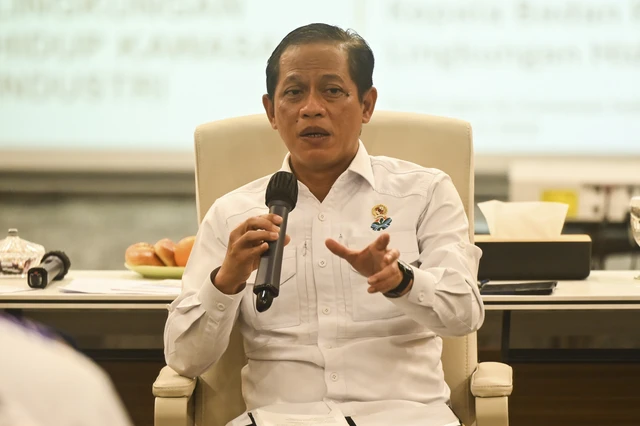
Minister of Environment Hanif Faisol Nurofiq emphasized that his ministry relies on science when pursuing violators. “All enforcement actions taken by the Ministry of Environment are based on scientific evidence. Otherwise, they would be vague and easily challenged operationally,” he said during a working meeting with Commission XII of the House.
Authorities also monitored 68 companies in total, while another 45 firms still submitted reports and awaited field verification. Regulators expect to finish on-site audits by mid‑February 2026.
To understand what triggered the sweeping enforcement actions, lawmakers and regulators highlighted five core violations, framed here as corporate ‘environmental sins’ that are now grounds for permit revocation.
1. Ignoring Government Compliance Directives
Failure to comply with firm government orders ranks as the first ‘sin’ and often precedes harsher penalties. Regulators issued coercive directives after observing alleged misconduct in concession areas.
Officials evaluated conditions, verified spatial data, and supervised teams on the ground. Companies that dismissed these instructions faced escalating sanctions, from warnings to permit termination. These measures sought to prevent environmental risks from growing into damaging disasters.
2. Financial Penalties Becoming Legal Liabilities
Unpaid administrative fines formed the second major violation. When companies refused to pay the fines imposed for non‑compliance, the government treated those unpaid penalties as legal liabilities.
Regulators then intensified enforcement actions and increased scrutiny. Officials viewed unpaid fines as indicators of deliberate avoidance, which created further grounds for revocation and more aggressive oversight.
3. Delays Trigger Corporate Environmental Violations
Delays in paying fines and complying with enforcement orders represented the third violation. Such delays allowed companies to prolong operational benefits while avoiding corrective measures.
Regulators flagged these delays as manipulative tactics that hindered recovery efforts and complicated environmental restoration. They also opened the door to civil lawsuits and criminal probes as regulators sought to deter future violations.
4. Suspension Breaches Raise Regulatory Red Flags
The fourth violation involved companies breaching permit suspensions. When the government suspended business permits, firms were expected to halt operational activities and comply with additional requirements.
Violating these suspensions raised serious regulatory red flags because it implied continued exploitation without legal approval. Lawmakers from Commission XII argued that such breaches contributed to disasters affecting public welfare, including floods, landslides, land and forest fires, and clean water shortages.
5. Irreversible Corporate Environmental Violations
The fifth and most severe violation involved causing environmental damage that regulators deemed difficult or impossible to restore. Officials took this category seriously because it carried real consequences for people and ecosystems.
Spatial analysis identified multiple entities with impacts significant enough to justify civil and criminal action. The Ministry filed civil lawsuits against six entities in North Sumatra with claims totaling IDR 4.8 trillion (USD 295M). Similar suits may target other companies in Sumatra.
In addition to lawsuits, two potential criminal cases remain under investigation, and four more are pending. Hanif confirmed the ministry’s support for these investigations, adding that his office would prepare needed documents. Some cases were forwarded to regional governments, while two others were transferred to the Ministry of Forestry due to jurisdictional issues.
Permit Revocation Signals Tougher Enforcement
Members of Commission XII welcomed the tougher stance. One lawmaker noted that 22 of the 28 permit revocations stemmed from recommendations from the Ministry of Forestry, while six came from the Ministry of Agrarian Affairs and Spatial Planning. Legislators supported focusing more state budget resources on enforcement to prevent future disasters.
They also criticized weaknesses in environmental impact assessments, arguing that assessments often became formalities that legitimized exploitation instead of preventing harm. Lawmakers urged nationwide audits to prevent future disasters and avoid repeating conditions that led to the recent events in Sumatra.
The tougher enforcement signals a shift toward accountability for environmental misconduct. As officials closed the session, one legislator stated, “We will fully support any policy that protects the environment in Indonesia.”
Source: hukumonline.com
Image: Rivan Awal Lingga / Kumparan.com