Indonesia has moved quickly to reassure investors and exporters as Trump’s 25% tariffs threaten countries that continue trading with Iran. The policy aims at Iran’s trade partners rather than Iran directly, raising concerns in global markets. Yet Indonesia appears positioned safely, according to senior officials.
Indonesia Seen Safe Amid Trump’s 25% Tariffs
Coordinating Minister for Economic Affairs Airlangga Hartarto stressed that Indonesia will not experience significant disruption from the new tariff directive. Indonesia maintains limited commercial ties with Tehran, resulting in low economic exposure.
“There is no (concern regarding the tariff plan),” Airlangga said. “Our transactions are not large.” He explained that Indonesia’s low trade volume with Iran keeps the country out of Washington’s direct focus.
Global Trade Implications for Iran’s Key Partners
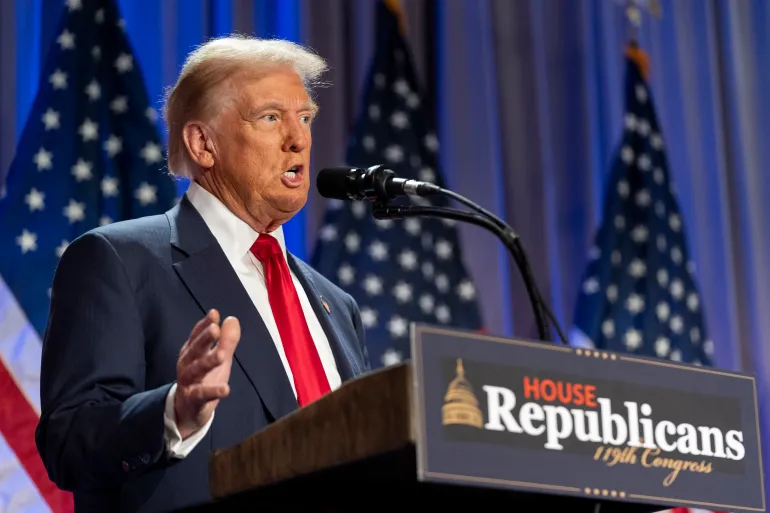
While the United States has not released formal documentation to mandate the tariffs, Trump announced the plan through the Truth Social platform. He stated that his administration intends to impose a 25 percent tariff on all goods originating from any country that maintains business relations with Iran. The measure would apply immediately and cover every product category entering the U.S. market.
The move targets Iran’s economic ecosystem rather than Iran alone. Iran conducts trade with more than 140 countries, yet the majority flows toward a handful of major partners, including China, the United Arab Emirates, and India. These nations could see broader geopolitical and financial repercussions as the U.S. attempts to isolate Tehran.
Indonesia’s Strategy in Response to Trump’s 25% Tariffs
Despite rising tensions between Washington and Tehran, Indonesia continues to monitor the developing trade environment. Policymakers believe in strengthening international networks to bolster export competitiveness.
Airlangga stated that Indonesia has already expanded its cooperation framework across multiple regions. “So we are one of the countries — compared with other ASEAN states — that is already in pole position,” he said, using a motorsport analogy to describe Indonesia’s competitive edge.
The government expects that market diversification and active participation in international trade agreements will shield the nation from external shocks. In addition, Indonesia remains focused on preserving strong ties with major non-oil and gas export destinations, including the United States.
Expanding Export Access to Europe, Latin America, and Asia
Indonesia has prioritized new trade corridors in the European Union, Latin America, and East Asia to achieve long-term export resilience. Officials believe that opening new export channels will drive growth and elevate Indonesia’s position within the global supply chain.
These efforts aim to secure higher-value market access, encourage domestic investment, and support small- and medium-sized enterprises in scaling their products for global demand. The diversification agenda also reduces reliance on volatile markets that may face sanctions or tariff barriers.
Limited Risk, Strong Trade Position
Indonesia appears shielded from the direct consequences of Trump’s tariff plan. Its low trade exposure to Iran and proactive efforts to expand export markets reinforce economic resilience.
While Jakarta remains attentive to shifting U.S. trade policy, the government continues to project confidence in its long-term growth trajectory.
Source: kontan.co.id, tribratanews.jabar.polri.go.id
Image: Alex Brandon/AP