
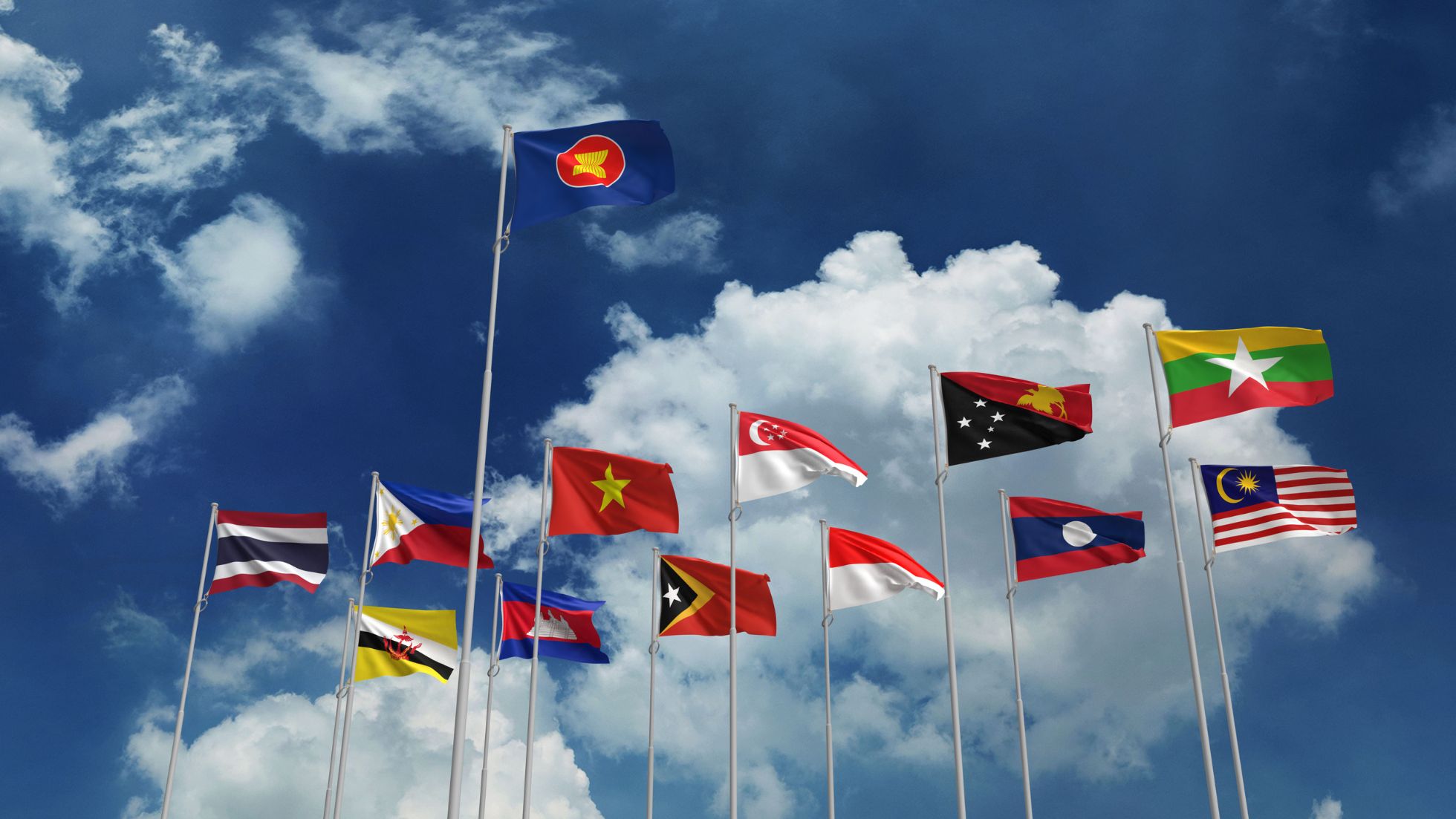
ASEAN has signaled readiness to support a new regional currency initiative set to debut in 2026. Discussion of BRICS currency adoption has grown across Southeast Asia as governments explore alternatives for trade and settlement. Nine ASEAN nations have expressed willingness to consider the currency once it launches, marking a notable shift in regional payment strategies and reducing reliance on the U.S. dollar.
ASEAN Prepares for New BRICS Currency Framework
Nine ASEAN members—Brunei Darussalam, Cambodia, Laos, Malaysia, Myanmar, the Philippines, Singapore, Thailand, and Vietnam—have indicated openness to using the BRICS currency in regional trade and economic collaboration.
This stance aligns with their goal of strengthening regional integration and reducing reliance on U.S. dollar settlements. Indonesia, as ASEAN’s largest economy, has already joined BRICS and will adopt the currency in future bloc transactions. The alignment represents a new layer of financial coordination within Southeast Asia.
Drivers Behind BRICS Currency Adoption
ASEAN’s openness to BRICS currency adoption reflects a broader push toward financial diversification and reduced exposure to U.S. monetary policy. Many emerging economies have grown wary of dollar-linked vulnerabilities, including volatility, interest rate risk, and political influence.
China and Russia, acting as the main drivers of BRICS, encourage partner nations to decrease reliance on the U.S. dollar in trade settlements. Additionally, dissatisfaction over sanctions has reinforced interest in alternative systems that grant greater strategic autonomy.
Strategic Economic Shift with Indonesia at the Center
The potential adoption of a BRICS currency underscores a redistribution of global economic power and challenges the historical dominance of the U.S. dollar in trade. Analysts believe its launch could influence capital flows, trade routes, and future bilateral arrangements throughout Asia.
Indonesia’s strategic position within ASEAN enables it to bridge Southeast Asia and the BRICS bloc. As the region’s largest economy, Indonesia’s participation strengthens the initiative’s credibility and could support a more coordinated transition toward alternative settlement systems.
Challenges and Conditions for Adoption
Despite regional interest, ASEAN governments remain cautious. The BRICS currency must demonstrate price stability, transparent governance, and predictable convertibility. Policymakers acknowledge that the initiative requires supporting institutions, including clearing systems, payment infrastructure, and dispute resolution mechanisms.
Currency substitution also carries domestic risks. Sudden shifts in trade invoicing could affect inflation, reserves management, and investment flows. Therefore, most ASEAN economies signal gradual adoption rather than abrupt transition.
Broader Implications for Southeast Asia
A successful BRICS currency could reshape Southeast Asia’s economic architecture. Trade within ASEAN may become less dependent on Western financial centers, while new corridors of investment could link the region more closely to China, India, and the Middle East. Firms operating in logistics, commodities, and manufacturing may benefit from reduced transaction costs and currency volatility.
Still, competition between the U.S. dollar and alternative currencies is likely to intensify. Analysts expect a hybrid system to emerge, where multiple currencies coexist across different sectors and geographies. This multipolar environment could offer Southeast Asia greater flexibility at the cost of higher policy complexity.
What 2026 Could Mean for Global Markets
If the BRICS currency launches in 2026, it could alter established global trading systems. Financial markets will assess their convertibility, stability, and adoption rate. Western institutions may view the initiative as a competitive challenge to the dollar-driven order. Investors will watch closely for implementation details and regulatory frameworks. 2026 could mark the beginning of a financial landscape less dependent on the dollar and more responsive to Asian economic dynamics.
Source: sindonews.com, kalderanews.com
Image: Canva Images