
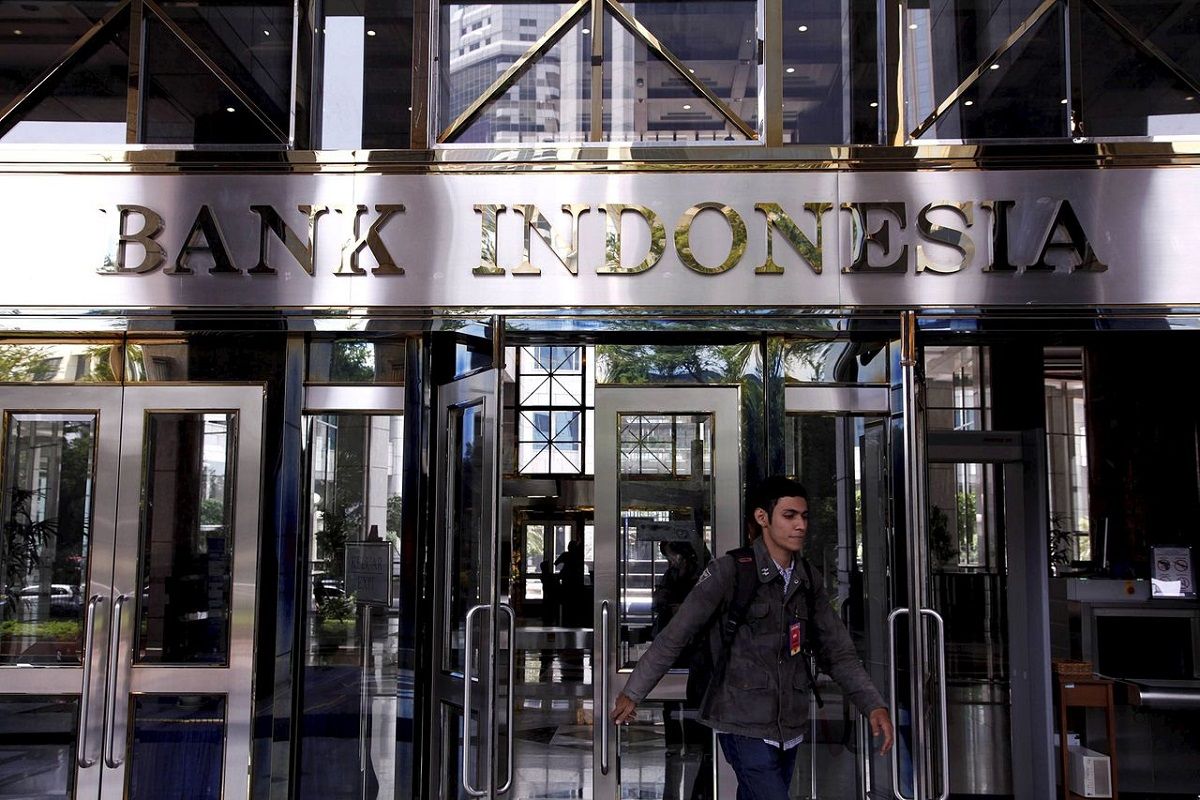
Consumer confidence in Indonesia showed resilience in December 2025 as the Consumer Confidence Index (CCI) remained in optimistic territory despite a mild month‑to‑month dip. Bank Indonesia (BI) reported that the CCI stood at 123.5 in December, down slightly from November yet still above the 100 threshold that signals optimism. According to BI, “Bank Indonesia’s December 2025 Consumer Survey indicates that consumers’ confidence in economic conditions remains strong.” The December reading did, however, sit below the December 2024 level of 127.7, reflecting moderated enthusiasm across several segments.
Indonesia Consumer Confidence Holds Above 100 Threshold
BI noted that consumer sentiment stayed above the optimism line even as expectations eased. The central bank highlighted that the CCI declined by 0.5 points every month, but the overall survey continued to capture strong confidence in Indonesia’s economic setting. BI emphasized that consumers still viewed the near‑term outlook as favorable, particularly on income prospects and job availability.
Additionally, BI pointed out that both the Present Economic Condition Index (PECI) and the Consumer Expectations Index (CEI) contributed to the optimism. The PECI registered 111.4 while the CEI stood at 135.6, with both readings comfortably above their respective benchmarks. Although slightly lower compared to the previous month, the data supported BI’s statement that confidence “remains strong.” These findings underscored a steady demand environment to close out 2025.
BI Survey Reveals Mixed Economic Sentiment
The December survey captured a blend of strength and caution. Durable goods purchases showed a noticeable adjustment as the Durable Goods Purchasing Index slipped from 109.4 to 107.6. Income sentiment also cooled slightly, with the Current Income Index dropping from 121.5 to 120.2. In contrast, job sentiment improved as the Job Availability Index rose from 103.7 to 106.5. This divergence signaled that households continued to anticipate healthy employment conditions even as they moderated discretionary spending.
Expectation components painted a similar picture. The Business Activity Expectations Index fell from 133.8 to 130.8, while the Job Availability Expectations Index edged down from 135.3 to 135.1. However, expected income remained solid, with the Expected Income Index inching higher from 140.6 to 140.8. The CEI’s strong overall performance aligned with BI’s interpretation that consumers continued to expect stable economic momentum heading into early 2026.
Spending Groups Drive Indonesia Consumer Confidence Shift
Confidence trends varied notably by spending groups. Households spending between Rp 4.1–5 million posted the strongest confidence reading at 129.2, indicating robust sentiment among middle‑income earners. The Rp 2.1–5 million group also saw improvements, which helped cushion declines among lower‑spending households. Meanwhile, the Rp 1–2 million group recorded the weakest confidence as its CCI dropped from 119.8 to 113.7, signaling heightened caution in discretionary consumption.
Consumption patterns also shifted throughout the period. The average share of household income allocated to consumption slipped to 74.3 percent, while the saving‑to‑income ratio rose to 14.9 percent. BI noted an additional decline in the debt‑to‑income ratio, which fell to 10.8 percent in December. These figures suggested that households closed 2025 with more conservative spending and stronger precautionary savings.
Age and Regional Differences Shape Household Outlook
Age group trends deepened the divergence within the survey. The 31–40 age group recorded the sole gain in December, rising from 124.5 to 127.5. In contrast, sentiment weakened among older respondents. Consumers aged above 60 posted the sharpest drop as their CCI fell from 113.0 to 107.8. These patterns indicated that younger, working‑age households remained more confident about income and employment prospects.
Spatial differences also stood out. BI stated that the index rose in most surveyed cities, particularly in Banten, Mataram, and Ambon. However, confidence slipped in Medan and Padang, partly due to recent disasters affecting Sumatra. The geographic distribution reinforced the view that sentiment stayed strong where employment and mobility conditions persisted, while disaster‑impacted localities showed more caution.
Outlook Remains Cautious Yet Optimistic
While the December survey revealed softer expectations, Indonesia’s consumer confidence closed 2025 in resilient form. Consumers continued to anticipate job availability and income growth, even as they trimmed discretionary purchases and saved more. These dynamics signaled cautious optimism heading into 2026. As BI concluded, key indicators suggest a steady consumption outlook supported by employment prospects, household savings, and stable expectations, despite ongoing external risks to the broader economy.
Source: kompas.com, pasardana.id
Image: Kompas/ Priyombodo