
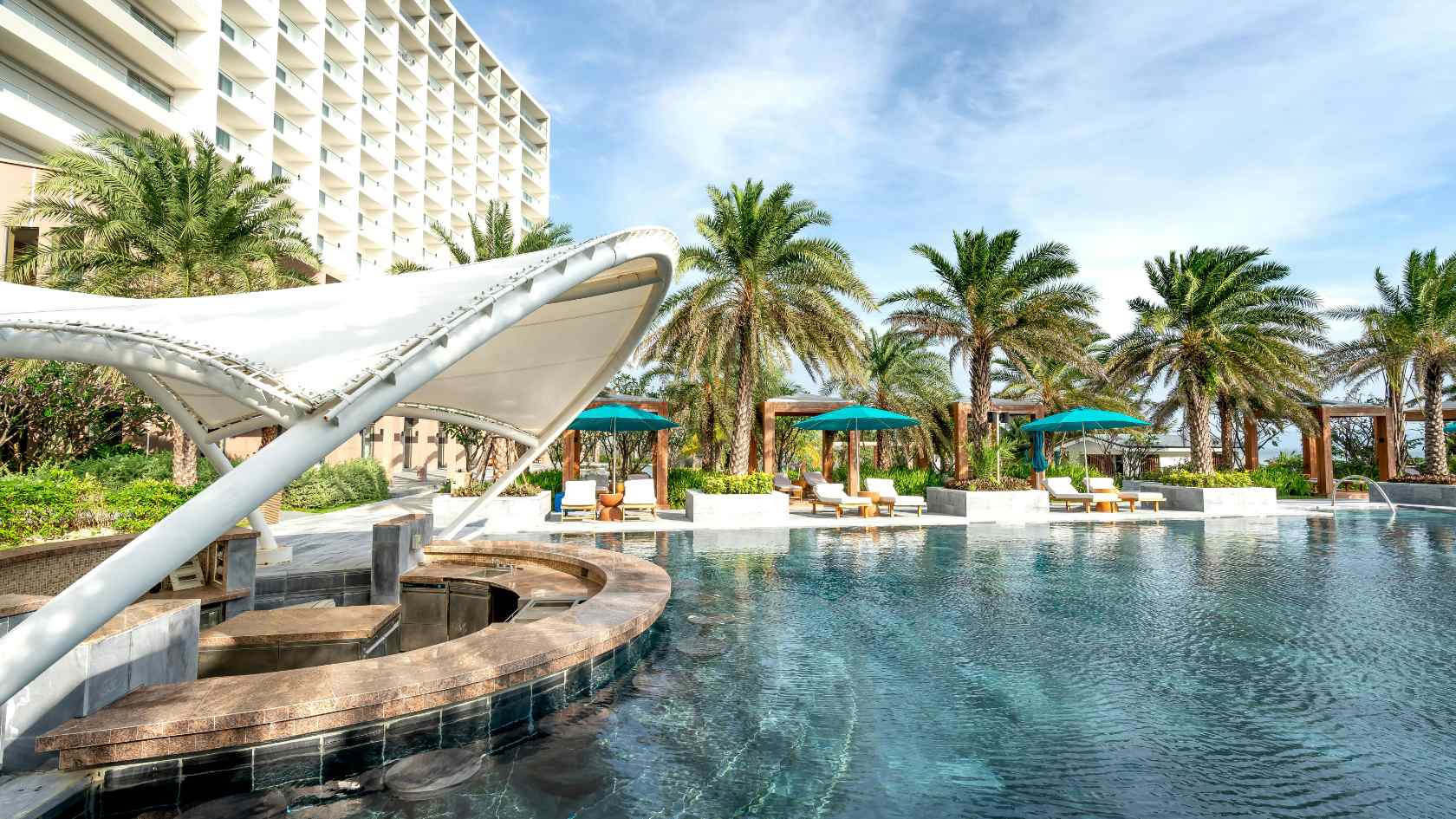
Bali luxury hotels continue to dominate investment growth as the island reshapes its tourism economy through 2027. Despite frequent concerns about congestion, noise pollution, and calls for a moratorium on hotel construction, new market data reveal a different reality. Bali is not losing appeal. Instead, it is evolving into an ultra-luxury lifestyle destination that attracts global investors and premium travelers. Recent findings from Colliers underline a clear divide between struggling domestic segments and a rapidly expanding high-end hospitality market driven by foreign brands.
Bali Luxury Hotels Lead Foreign Investment Momentum
Foreign investors continue to place strong confidence in Bali luxury hotels, even as other market segments face pressure. According to Colliers, international hotel brands are actively expanding their presence across the island. This momentum signals long-term optimism rather than short-term speculation. Luxury operators view Bali as a resilient destination with consistent global demand. As a result, brands such as Waldorf Astoria, Mandarin Oriental, and JW Marriott have committed to new developments through 2027. Their entry reinforces Bali’s position as a premium market in Asia’s hospitality landscape.
At the same time, this investment wave reflects a strategic shift. Global brands no longer compete on volume alone. Instead, they focus on exclusivity, experience, and lifestyle positioning. Consequently, luxury hotels now act as anchors for Bali’s future tourism growth.
Bali Hotel Investment Grows Despite Domestic Market Pressure
Bali hotel investment continues to expand, even though domestic and government-driven demand has weakened. Government efficiency policies have reduced public sector travel budgets. This change has significantly lowered demand from government-led Meetings, Incentives, Conventions, and Exhibitions. As a result, hotels that rely on this segment face ongoing pressure.
Although corporate travel shows improvement, it has not fully replaced lost government demand. Ferry Salanto, Head of Research at Colliers Indonesia, explained that this pattern will likely persist into next year. He stated, “This is especially due to the Ramadan period in the first quarter, which historically slows business activity.” This seasonal slowdown reinforces the gap between mid-range hotels and luxury operators that rely less on domestic business cycles.
International Tourism Drives Demand for Ultra-Luxury Resorts
International arrivals now drive the strongest demand for luxury hospitality in Bali. Data shows that foreign tourist numbers have nearly reached the government’s annual target and may exceed it by year-end. Visitors from Australia, India, and China remain the island’s core markets. These travelers prioritize quality, privacy, and curated experiences.
Meanwhile, domestic tourism continues to lag behind expectations. High airfare prices and rising accommodation costs have reduced local travel demand. Ferry Salanto highlighted this structural challenge clearly. He said, “As a result, local tourists prefer traveling abroad, which often offers a more competitive total cost compared to visiting Bali.” This trend further strengthens the role of international visitors in sustaining Bali’s luxury hotel growth.
Ubud Emerges as the New Luxury Hospitality Epicenter
Investment data also reveals a geographic shift in Bali’s luxury hotel development. Ubud has emerged as the dominant destination for new high-end projects. Nearly 60 percent of upcoming luxury hotel supply is located in this area. Investors align their strategy with post-pandemic travel preferences that emphasize wellness, nature, and spirituality.
Beyond Ubud, developers have started exploring satellite destinations. Planned luxury projects in Nusa Penida signal growing interest in less crowded locations. However, major global brands continue to favor southern Bali for flagship properties. These areas allow operators to maintain strict standards of exclusivity, security, and tranquility while remaining close to established infrastructure.
Bali’s Hospitality Market Becomes More Exclusive
Bali is undergoing a market transformation rather than a decline. While economic pressures affect domestic and government segments, the luxury sector continues to strengthen. Global hotel brands view Bali as a resilient destination that can withstand global uncertainty. Between 2026 and 2027, the island is expected to become more expensive and exclusive. The key challenge for policymakers lies in balancing luxury growth with transport and infrastructure development to preserve Bali’s long-term appeal.
Source: kompas.com
Image: Quang Nguyen Vinh / Pexels