
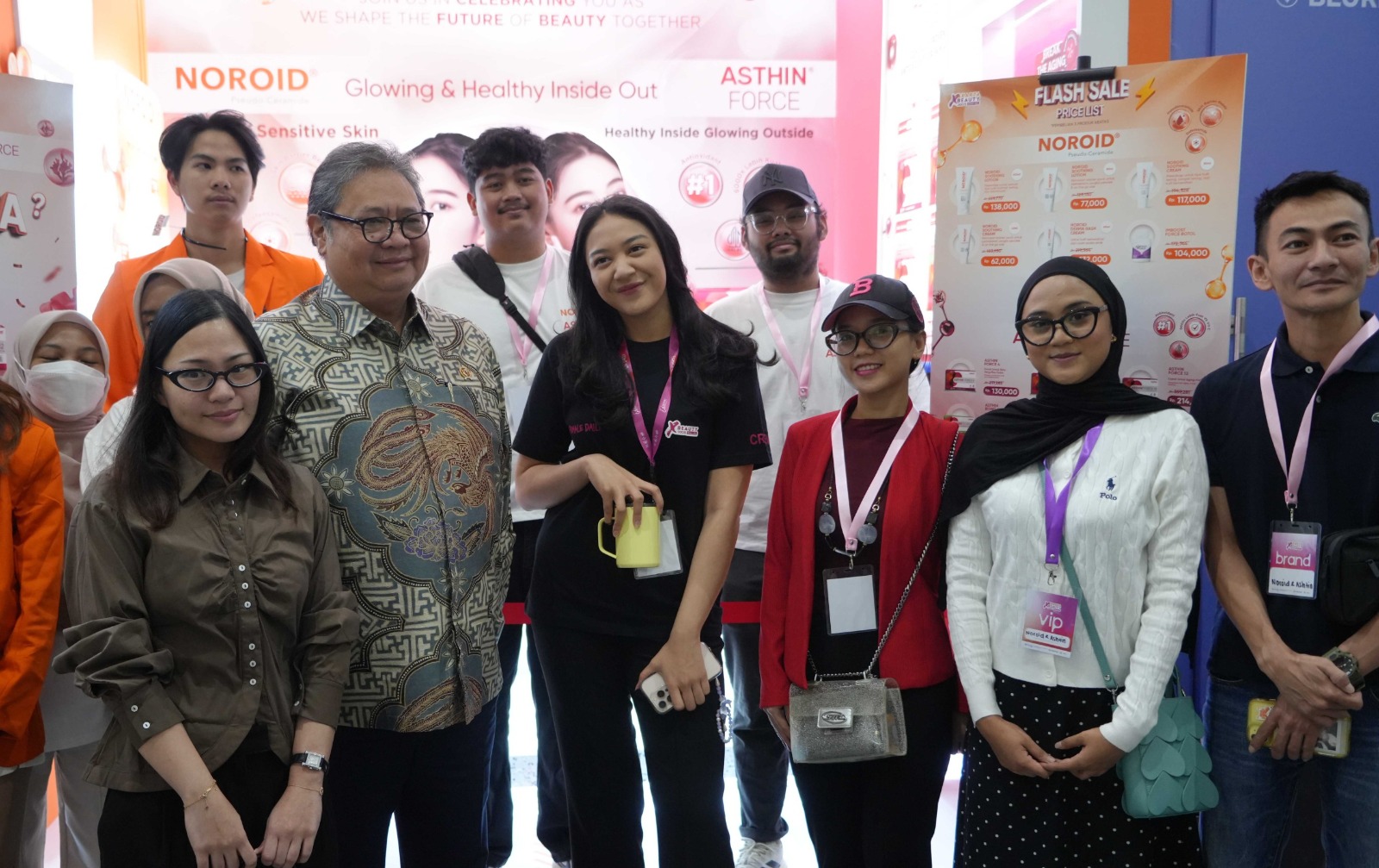
The Indonesia beauty industry continues to strengthen its position as one of the country’s fastest‑growing economic sectors. The industry recorded revenue of IDR 35.6 trillion (approximately USD 2.25 billion) throughout 2025 and moved with steady momentum as consumer demand and innovation accelerated. This growth supports wider economic goals and highlights the sector’s expanding role in Indonesia’s long‑term development.
Indonesia Beauty Industry Sees Strong Revenue Growth
Indonesia’s cosmetic and personal care market showed significant progress in 2025. Government data revealed that the industry generated IDR 35.6 trillion and is projected to grow 4.73% annually. Consumer spending also increased, with the share of clothing, footwear, and self‑care services rising from 2.91% in Q2 to 4.21% in Q3.
Young consumers contributed heavily to this growth as new local brands continued entering the market. The men’s grooming segment expanded rapidly as well, adding new competition and fresh innovation. Minister of Economic Affairs Airlangga Hartarto emphasized the importance of this momentum, saying, “This is something extraordinary because it is showcased to the public in an exhibition of creativity and innovation from young people. And indeed the cosmetic and wellness industries are growing in double digits.” He also noted that the large scale of local beauty exhibitions strengthens the ecosystem by allowing brands, MSMEs, creators, and consumers to read industry direction more accurately.
Innovation Trends Reshaping Cosmetics in Indonesia
Innovation continues to define the country’s competitive landscape. Anti‑aging products gained strong traction due to rising demand from older consumers. Growing interest in wellness also supported new product development across supplements and skincare.
BPOM Head Prof. Taruna Ikrar highlighted major innovation areas during a public lecture at the University of Indonesia’s Faculty of Pharmacy. These trends include clean beauty formulas, plant‑derived active ingredients, nano‑technology, and the increasing use of stem‑cell‑related claims. He explained that such breakthroughs help improve product penetration and effectiveness when aligned with safety and regulatory standards.
According to him, the rapid global shift requires graduates and researchers to keep pace with new scientific developments. “This is a big challenge for pharmacy graduates to continue exploring and following the latest technological developments. From the product perspective, attention must be given to how innovations can produce products that help improve quality of life,” he stated.
Indonesia Beauty Industry Drives Silver Economy Outlook
Indonesia’s demographic shift strengthens future market potential. Data from the 2024 National Socio‑Economic Survey shows an increase in adult and elderly populations while younger demographics decline. Experts expect Indonesia to enter the silver economy within the next 20 years, creating new opportunities for anti‑aging and wellness categories.
Prof. Taruna emphasized that older adults will become a major driver of national economic progress. As a result, demand for high‑quality anti‑aging products will continue to rise. The anti‑aging market is forecast to grow 7.08% between 2025 and 2030 as consumers prioritize skin repair and long‑term care. These products include formulations using niacinamide, peptides, retinol, retinoids, and Centella asiatica.
He stressed the need for products that align with the skin physiology of older adults. Taruna added, “Pharmacy graduates must understand the physiology of the elderly, in this case the need for the right formula for elderly skin conditions, so they can produce products that meet safety and quality standards.”
Government Actions and Market Oversight Strengthen Growth
The government aims to support the sector through better data accuracy and stronger regulatory alignment. Airlangga explained ongoing efforts with the Central Statistics Agency to improve tracking of beauty products manufactured abroad through contract production. “And this policy will start next year. So later you can also monitor from this exhibition how many local innovations have contract manufacturing abroad, whether Korea or China, becoming an extraordinary source before full production in Indonesia,” he said.
BPOM also reinforces collaboration between academia, business, and government through the ABG model. Prof. Taruna described this approach, stating, “Industry has funding sources but is limited in innovation. Conversely, campuses generate innovation but have limited resources. With the ABG concept, BPOM acts as a bridge so all aspects can benefit and continue to grow.”
Beauty Market Outlook Remains Strong Ahead
Indonesia’s beauty market is poised for sustained expansion as innovation, demographic shifts, and rising consumer demand work together to drive continuous growth. Collaboration across agencies, universities, and industry players will strengthen product quality and competitiveness while supporting Indonesia’s broader economic goals in the years ahead.
Source: pom.go.id, kabarbursa.com
Image: ekon.go.id