
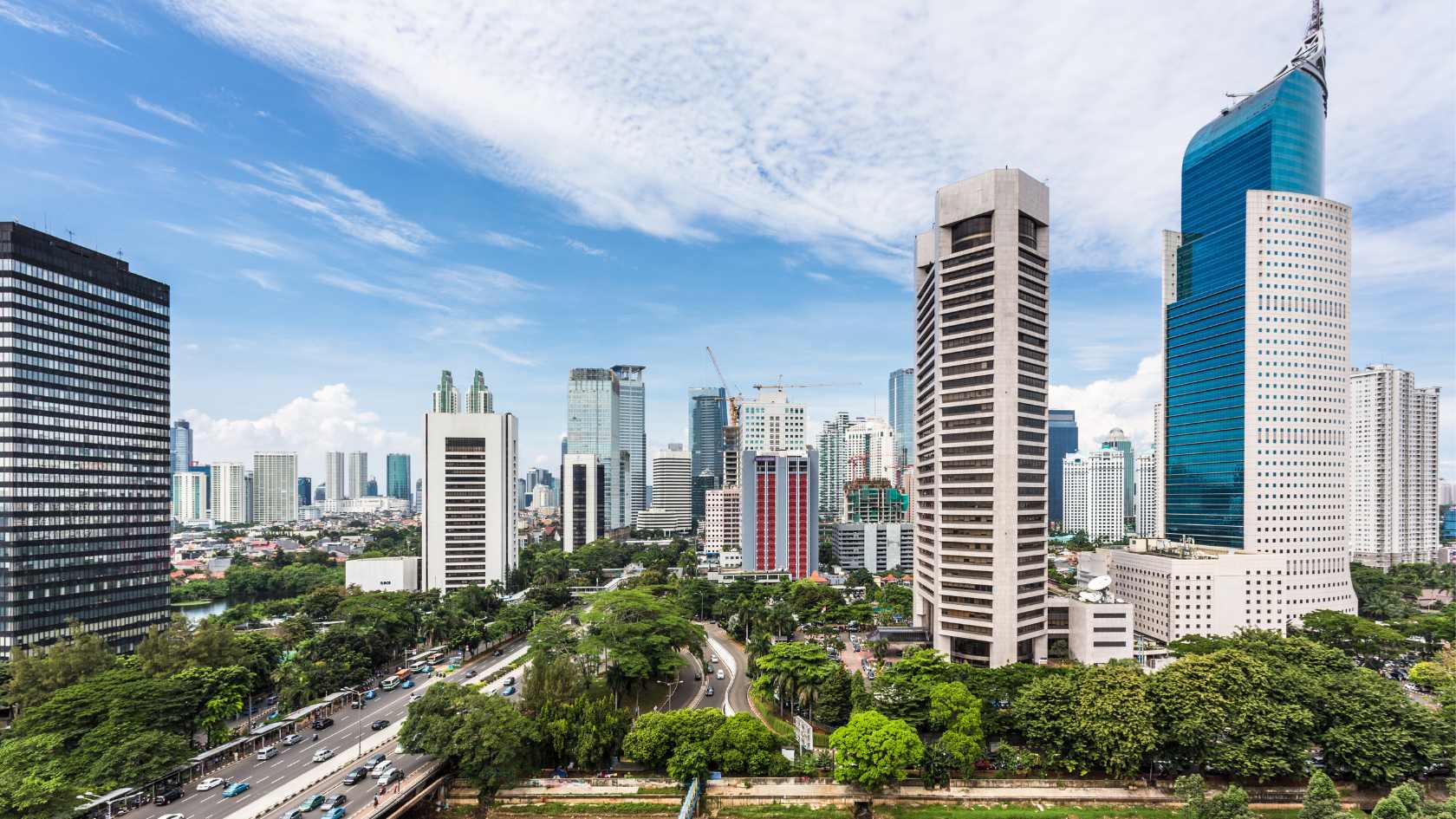
The Jakarta, Bogor, Depok, Tanggerang, Bekasi (Jabodetabek) industrial estate growth is showing clear signs of recovery in the first half of 2025, driven by rising investor interest and strategic relocations from global manufacturers. Industry experts note that despite total sales still lagging behind the previous year, the second quarter recorded significant activity, signaling renewed confidence in the region. With Greater Jakarta remaining Indonesia’s industrial hub, developers and foreign investors are increasingly eyeing both established and emerging industrial zones.
Signs of Recovery in Jabodetabek
According to Ferry Salanto, Head of Research at Colliers Indonesia, “Although total sales remain lower compared to the same period last year, signs of recovery are starting to emerge, especially in the second quarter, which recorded a notable surge.” he said.
Key industrial estates like Artha Industrial Hill and Modern Cikande have led the rebound, attracting attention from the manufacturing and renewable energy sectors. Purwakarta and Subang also gain traction as alternative strategic locations, thanks to large land availability and improved infrastructure, including the Patimban Port. Stable land prices indicate a balanced market and reflect developers’ cautious approach to maintaining competitiveness.
Global Trade Tensions Drive Relocation
Factory relocation to Indonesia has accelerated due to global tariff shifts. President Donald Trump’s reciprocal tariff policies have forced manufacturers in several countries to rethink expansion strategies. While China faces a 30% tariff from the U.S., Indonesia’s 19% rate remains comparatively attractive, drawing interest from Chinese, Japanese, Korean, EU, and U.S. companies.
According to Akhmad Ma’ruf Maulana, Chairman of the Indonesian Industrial Estate Association (HKI), “Not only land purchases, but many are leasing too, and the increase is extraordinary. In fact, estate owners across Indonesia are expanding.” The relocation trend is spreading beyond Java to the Riau Islands and eastern Indonesia, targeting sectors like lithium battery processing, solar PV, silica downstream, cosmetics, and pharmaceuticals.
Developer Strategies and Expansion
Major developers are actively expanding and diversifying projects. PT Jababeka Tbk CEO Setyono Djuandi Darmono stated, “Since the start of 2025, we’ve seen rising visits and interest from Chinese and East Asian firms. The U.S. tariff policy has driven the China+1 strategy, making Indonesia—including Jababeka—a relocation destination.”
Jababeka plans to transform Cikarang into a metropolitan hub, develop Kendal and Batang estates for labor-intensive and EV industries, expand Tanjung Lesung as a maritime tourism site, and prepare Morotai as a logistics hub for eastern Indonesia. Developers are encouraged to remain flexible, strengthen partnerships with high-growth sectors, and maintain price stability to stay competitive amid rising costs and global uncertainties.
Infrastructure and Logistics Challenges
Strong infrastructure and efficient logistics are critical to sustaining growth. Experts from CBRE Indonesia and Turner & Townsend emphasize the importance of developing distribution channels outside Jabodetabek.
Sumit Mukherjee, Head of Real Estate Asia at Turner & Townsend, explained, “The challenge now is how investors’ products will be well-distributed. Not only in Jakarta, but if we go to Karawang and Cikarang, logistics facilities are already strong. But the issue is, how do we deliver products to places like Toraja or Balikpapan?”
Strengthening logistics hubs in cities such as Cirebon, Tegal, and Pekalongan is vital to maximize the benefits of foreign investment and support balanced regional growth.
Bright Prospects for Industrial Development in Indonesia
Industrial development in Indonesia shows promising prospects as estates become engines of economic growth. Rising foreign investment, tariff advantages, and expanding infrastructure contribute to the momentum, while strategic expansion beyond traditional hubs ensures wider economic benefits.
With well-coordinated government support, simplified licensing, and enhanced logistics, the industrial sector can maintain sustainable growth. As Ferry Salanto highlighted, “These new development areas offer larger land, more competitive prices, and continuous infrastructure support,” signaling a robust outlook for investors and developers alike. The combination of domestic stability and global relocation trends positions Indonesia to strengthen its role as Southeast Asia’s key industrial destination.
Source: ekonomi.bisnis.com, realestat.id
Image: Getty Images