
Moody’s outlook for Indonesia has drawn fresh attention from global investors after the rating agency revised Indonesia’s credit outlook from stable to negative. While the decision does not remove Indonesia’s investment-grade status, it signals rising caution toward the country’s fiscal direction.
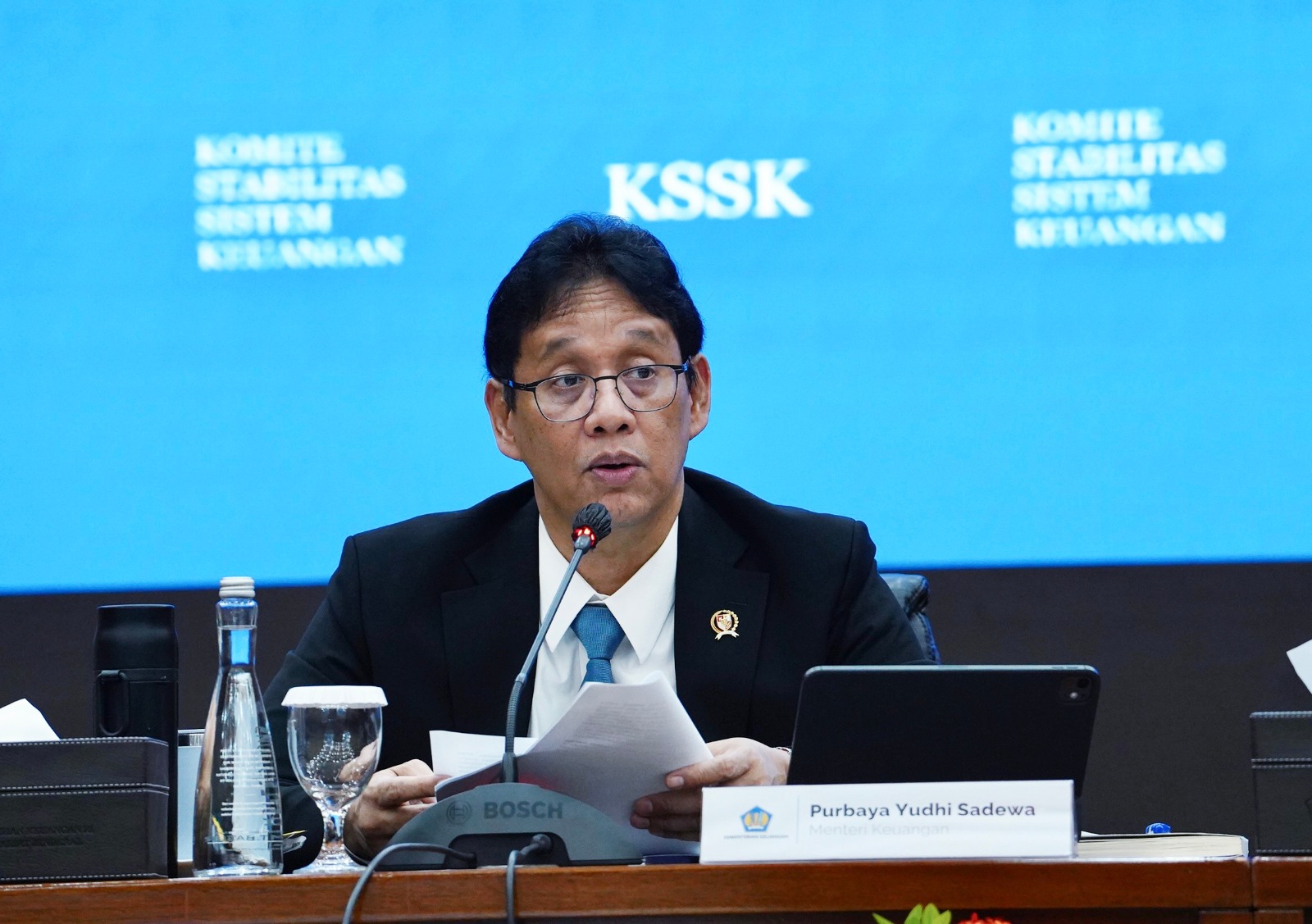
As a result, markets have begun to reassess the risks associated with government spending, debt management, and policy consistency. In response, Finance Minister Purbaya Yudhi Sadewa moved quickly to reassure investors. He emphasized that Indonesia’s fiscal position remains under control and that its economic fundamentals continue to improve, despite global uncertainty.
Moody’s Indonesia Outlook Raises Fiscal Concerns
Moody’s revised outlook reflects concerns about potential fiscal pressures rather than immediate financial distress. The agency flagged risks related to a widening budget deficit, shrinking foreign exchange reserves, and rising debt at state-owned enterprises. Although Moody’s maintained Indonesia’s investment-grade rating at Baa2, it warned that prolonged fiscal strain could trigger a downgrade.
Economists note that such an outlook change often acts as an early warning for investors. When credit risk perceptions rise, markets typically demand higher returns to compensate for uncertainty. Consequently, bond yields tend to increase, and borrowing costs climb for both governments and corporations. Therefore, even without a downgrade, the outlook shift alone can influence market behavior and investor sentiment.
Minister Defends Indonesia’s Fiscal Stability
In response, Finance Minister Purbaya firmly defended Indonesia’s fiscal stability. He emphasized that the government remains capable of managing public finances and maintaining stability amid global economic challenges. According to him, fears of capital outflows mainly affect overly cautious investors.
“Fearful People will always be afraid. But as long as they see our economic fundamentals improving—especially with last quarter’s strong performance (5.39% year-on-year growth in the fourth quarter)—it is clear that our economy has turned around. There is no reason to fear that we cannot or will not pay our debt,” Purbaya said.
Purbaya also clarified that discussions with Moody’s focused on future projections rather than criticism of current policy. “They are worried about the deficit widening, but they also know that I can manage it well,” he added. Moreover, he suggested that the outlook revision may have occurred before the latest growth data became available. He believes stronger growth figures could have influenced a different assessment.
Investor Confidence Indonesia Faces Short-Term Pressure
Despite government reassurance, analysts warn that investor confidence in Indonesia may still face short-term pressure. When outlooks deteriorate, investors often seek higher yields to hold Indonesian assets. This shift raises government bond yields and increases the cost of issuing new debt.
“If these pressures persist, the government will face tighter fiscal space as interest payment obligations increase,” said economist Syafruddin Karimi from Andalas University.
At the same time, a negative outlook can affect capital flows and equity markets. Foreign investors tend to adopt a risk-off stance when policy uncertainty rises. As demand for rupiah-denominated assets weakens, the currency may depreciate. A weaker rupiah, in turn, pushes up import prices and production costs, adding inflationary pressure.
“Independent central banking literature emphasizes that monetary credibility anchors inflation expectations. When the public doubts policy independence or consistency, volatility tends to rise, and inflation transmission becomes more pronounced,” Syafruddin explained.
Policy Credibility Seen as Key to Restoring Market Trust
Given these risks, experts stress that policy credibility remains critical. Indonesia can restore market confidence by ensuring consistent economic policies, strengthening communication, and reinforcing institutional integrity. Clear fiscal targets, disciplined spending, and realistic revenue strategies help signal commitment to stability.
Syafruddin emphasized that markets respond to concrete actions rather than statements alone. “Markets look for policy evidence, not just statements,” he said. He also highlighted the importance of coordination between fiscal and monetary authorities without undermining central bank independence.
In addition, stronger transparency and governance across financial regulators and listed companies could improve investor trust, especially as global index providers continue to monitor disclosure standards.
Outlook Puts Indonesia Policy Path Under Spotlight
Moody’s outlook change places Indonesia’s policy direction under closer scrutiny rather than signaling an immediate crisis. While the government remains confident in Indonesia’s fiscal stability and growth trajectory, investors continue to assess risks tied to execution and governance.
Ultimately, maintaining investment-grade status will depend on disciplined fiscal management, credible institutions, and consistent policy delivery. As markets watch closely, Indonesia’s ability to turn reassurance into measurable outcomes will shape investor confidence going forward.
Source: kontan.co.id, investor.id
Image: Erman Subekti / infobanknews.com