Indonesia continues strengthening its business landscape as NIB registration reaches 14.6 million. The government highlights that most registered businesses fall within the micro, small, and medium enterprise (MSME) sector. These developments mark a major step in improving formal business participation and economic transparency.
NIB Registration Hits New Milestone
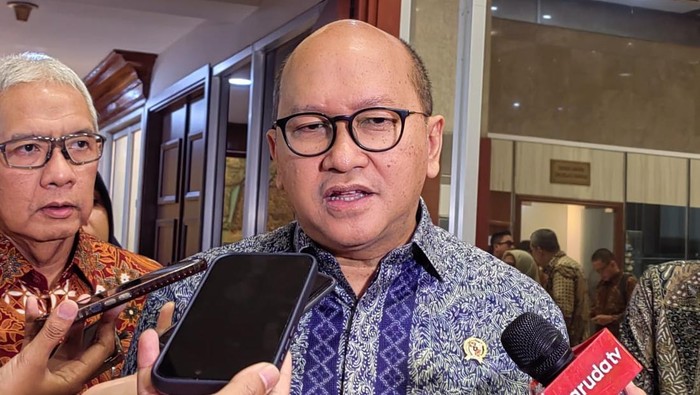
Minister of Investment and Downstreaming/Head of BKPM Rosan Roeslani reports a significant increase in registered businesses. He states, “We report that companies registered with us through the NIB have reached 14.6 million, although most of these are MSMEs. As for large companies, as of December 3, the number is more than 91 thousand.” This surge reflects stronger efforts to formalize businesses and ensure clear legal standing across all sectors.
The increase also shows growing awareness among entrepreneurs about the benefits of formal registration. NIB registration provides access to financing, markets, and government support programs. It also strengthens business credibility and encourages healthier economic participation.
MSMEs Dominate National Business Growth
MSMEs continue driving Indonesia’s business expansion. Their large presence among NIB holders underscores their essential role in employment and national income. These enterprises form the backbone of the economy and contribute significantly to GDP.
With more MSMEs securing NIBs, the sector gains better access to formal support systems. This shift also improves the government’s ability to map business activities and direct targeted assistance. As more MSMEs enter the formal economy, Indonesia strengthens its foundation for inclusive growth.
Updated KBLI System to Reflect Economic Shifts
Rosan reveals that the government is preparing updates to the Klasifikasi Baku Lapangan Usaha Indonesia (KBLI), or the Indonesian Standard Industrial Classification. He explains that the discussion involves Coordinating Minister for Economic Affairs Airlangga Hartarto and Indonesia Statistic Agency (BPS) Head Amalia Adininggar Widyasanti. Rosan emphasizes the importance of this effort by stating, “This new KBLI will later be refined in line with current developments because there are many sectors that do not yet have KBLI codes. With this, we can analyze and capture our economy more accurately and precisely.”
The updates aim to align business classifications with new and emerging industries. As Indonesia’s economy evolves, accurate categorization becomes crucial for policy planning and economic analysis. The new KBLI will help identify growth areas and encourage more balanced development.
OSS Business Licensing to Adopt New KBLI
The refined KBLI will be integrated into the Online Single Submission (OSS) system. This integration ensures greater consistency in business licensing and clear classification for entrepreneurs.
The government also plans to use the updated KBLI as the foundation for the 2026 Economic Census. This step will strengthen national data accuracy and improve monitoring of economic performance. With better data, regulators can design more effective policies and support long-term growth.
Regulatory Reforms Strengthen Indonesia’s Business Climate
The government continues working to remove regulatory barriers that hinder investment. A dedicated Acceleration Team coordinates efforts between the Ministry of Finance, the Coordinating Ministry for Economic Affairs, and the Ministry of Investment. The team focuses on resolving overlapping regulations and improving clarity for investors.
These reforms aim to increase business certainty and lower logistics costs. They also support Indonesia’s goal of building a more competitive and resilient economy. As Rosan highlights, refining the KBLI and improving NIB registration systems are essential to creating a more accurate economic picture.
Together, the rise in NIB registrations, the dominance of MSMEs, and ongoing regulatory improvements signal a stronger future for Indonesia’s business environment. These steps reinforce transparency, enhance investor confidence, and support sustainable economic growth.
Source: antaranews.com
Image: detikcom/Ilyas Fadilah