
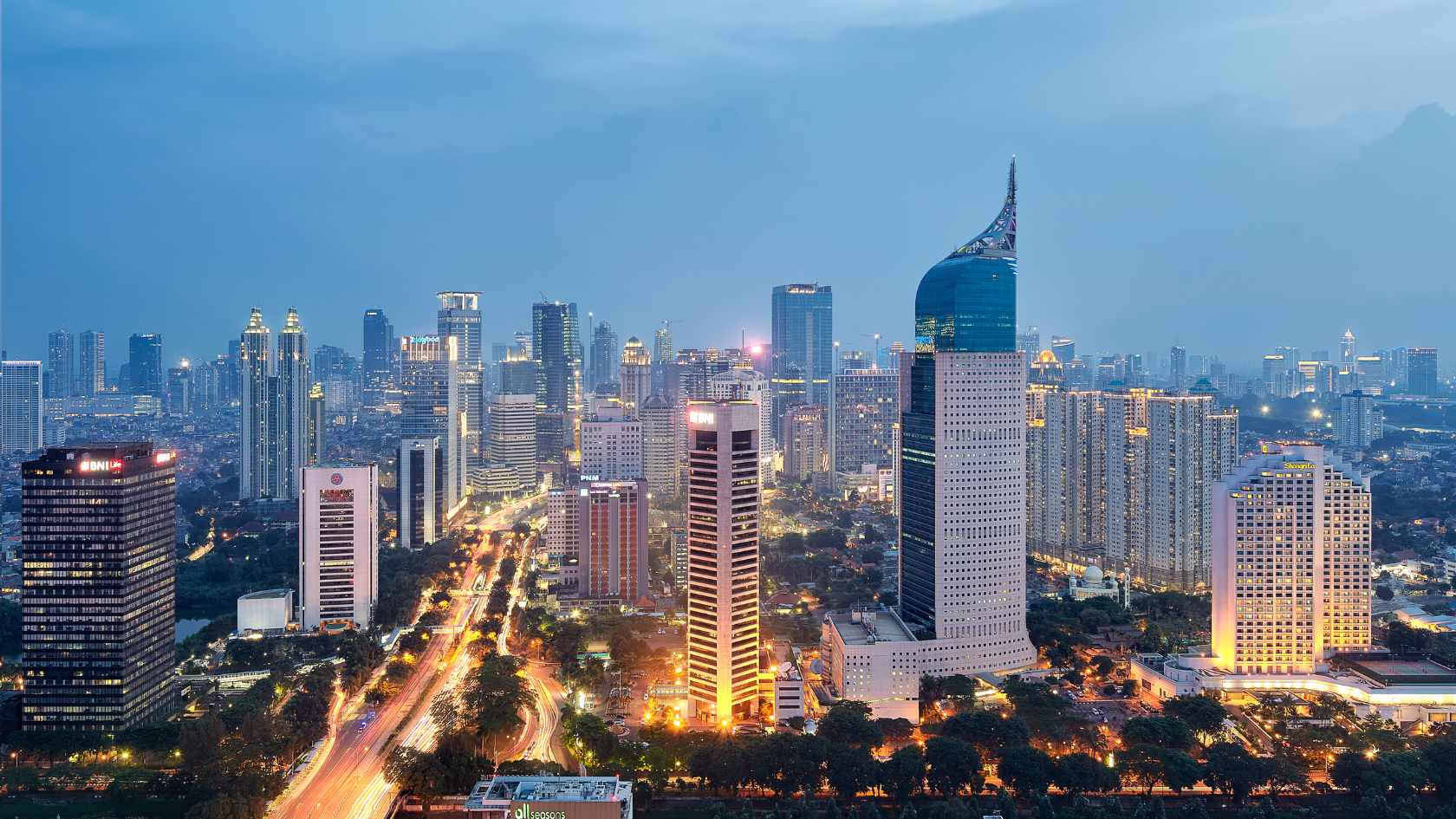
Property investors in Indonesia continue to watch the market closely as 2026 approaches. Many wonder whether the year will become a golden moment for real estate or a period that tests investor strategies. Recent market movements show a sector that grows steadily, even when economic conditions shift. Younger buyers also view property as a long-term instrument that protects wealth, counters inflation, and builds stable passive income. These trends underline growing confidence in the sector ahead of 2026.
Indonesia Property Market Shows Steady Momentum
The Indonesia property market maintains positive momentum as prices rise gradually across key cities. Major areas like Jakarta, Tangerang, and Surabaya record stable growth, while emerging cities such as Makassar, Semarang, and Medan experience faster increases. Although some satellite cities face oversupply, most urban centers continue to show healthy demand.
Landed houses remain the preferred option for many buyers due to their liquidity and broad appeal. Meanwhile, interest in suburban areas increases as more people adopt hybrid work lifestyles. These shifts form the foundation of a more resilient market heading into 2026.
Read More: Bali Property Prices Jump Up to 10% As Villa Demand Spikes
Key Drivers Behind a Resilient 2026 Forecast
Several macroeconomic and structural factors shape the country’s real estate outlook for 2026. Analysts expect potential interest rate cuts, which may encourage more households to enter the market. Stable inflation also supports better construction cost management for developers.
Infrastructure expansion plays a major role. Projects such as the next phase of the MRT, LRT Jabodebek, new toll roads, and the development of the new capital city continue to boost surrounding land values. Urbanization adds further strength, as projections indicate that around 70% of Gen Z may live in major cities by 2030.
Government incentives also support market confidence. Policies related to VAT assistance, rental tax reductions, and discussions on zero down payment programs could accelerate demand if extended into 2026.
Indonesia Property Investment Trends to Watch
Property investment patterns evolve as the market matures. Investors show strong interest in several asset classes, especially those that offer reliable demand or long-term value appreciation.
Key investment trends for 2026 include:
- Landed Houses – These properties offer consistent demand and steady annual returns.
- Co-Living and Boarding Houses – Growing student populations and young workers fuel strong occupancy rates.
- Shophouses (Ruko) – As micro and small businesses expand, demand for commercial units rises in strategic areas.
- Land Banking – Low maintenance costs and solid appreciation make land attractive for medium-term plays.
- REITs – Younger investors prefer REITs due to lower entry capital and strong liquidity.
These categories reflect shifting lifestyles, improving infrastructure, and greater market awareness among new investors.
Read More: Indonesia Property Industry Boosted by Harpropnas Fest 2025
Sectors Expected to Lead Market Growth
Several real estate segments show strong potential to outperform in 2026. Boarding houses stand out as one of the highest-yielding assets, with annual returns ranging between 6% and 12%. Demand rises as more students and workers migrate to urban centers.
Commercial properties, especially shophouses, benefit from the resurgence of offline businesses after the pandemic. Strategic locations record rising rental rates and higher resale value.
Suburban housing also gains traction, supported by competitive prices and improving connectivity. Meanwhile, villas in tourism areas such as Bali, Bandung, Malang, and Labuan Bajo attract investors seeking daily or long-stay rental income.
These sectors combine strong returns with relatively low vacancy risk, making them attractive choices for both new and experienced investors.
Outlook for Investors in 2026
Investors entering 2026 face a market with solid potential, but success depends on informed decision-making. Those who analyze trends, choose high-growth locations, and calculate cash flow carefully will gain the strongest advantage. As long as investors remain strategic, Indonesia’s property sector can continue to provide stability, protect wealth against inflation, and deliver meaningful long-term gains.
Source: finansialku.com
Image: Felix Indarta / Getty Image