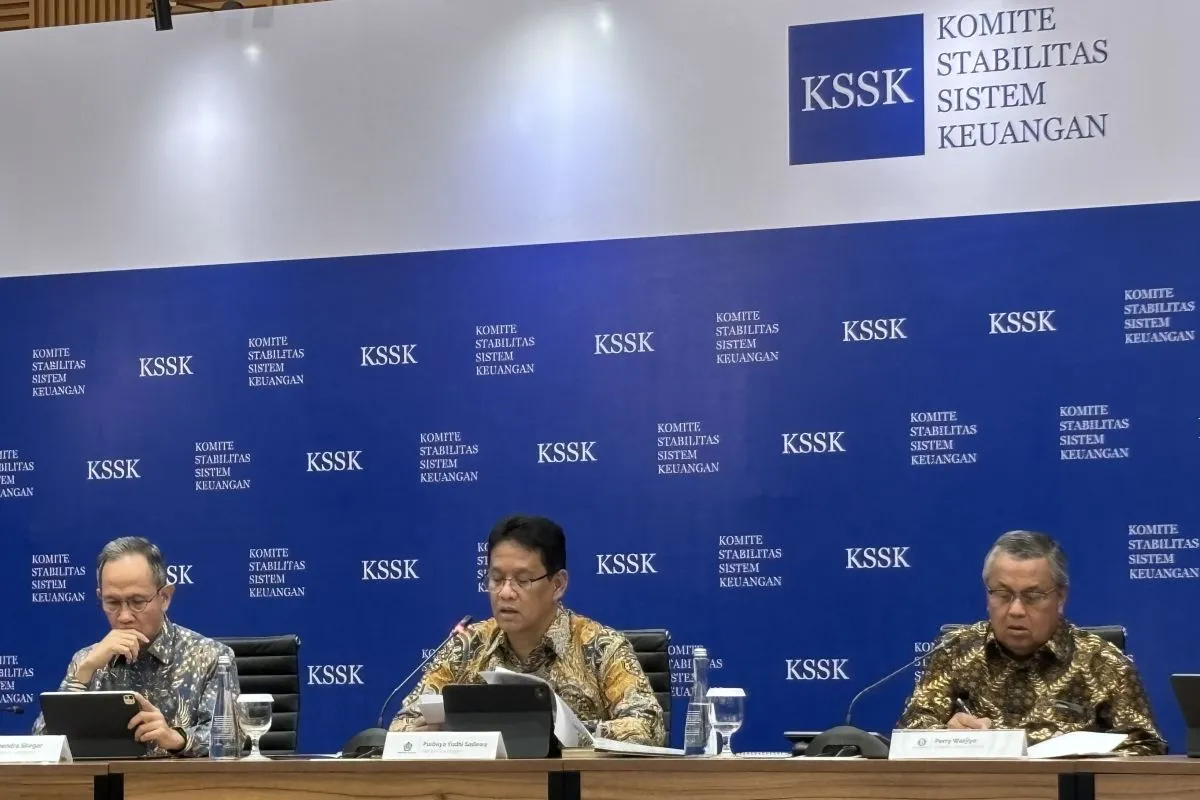
The government expects upcoming reporting regulations to reshape the country’s financial governance as it moves to implement a unified national system by 2027, placing the Indonesia Financial Reporting Platform at the center of this transition. The new policy, issued under Government Regulation (PP) No. 43/2025, aims to improve transparency, enhance data integrity, and streamline reporting across all sectors. The Ministry of Finance, led by Minister Purbaya Yudhi Sadewa, expects the change to build a stronger foundation for corporate decision-making and public policy.
Indonesia Financial Reporting Platform Mandate
The government now requires companies to submit financial statements through the Joint Financial Reporting Platform (PBPK). The regulation applies to listed firms, financial institutions, real sector businesses, and entities with ties to the financial industry. The Director General of Financial Sector Stability and Development, Masyita Crystallin, said the rule strengthens governance. “Government Regulation 43 Year 2025 is designed to strengthen the foundation of transparent and accountable financial governance, so the resulting financial reports can serve as reliable references for corporate decision-making and public policy.”
Capital market companies must complete the transition by 2027. Other sectors will follow based on readiness and ongoing coordination with ministries, agencies, and relevant authorities. The staged implementation ensures each industry can adjust without disrupting daily operations.
Strengthening the National Reporting System
Government Regulation 43/2025 establishes a streamlined national reporting system that connects data across sectors. Reporting processes will no longer stand alone in separate industries. Instead, they integrate into a single national framework. The government expects this structure to raise the quality of Indonesia’s financial data by introducing uniform standards. Cross-sector consistency supports more accurate analysis and reduces reporting gaps.
The regulation also enhances data integrity through harmonized rules. Masyita emphasized this goal, noting that the policy “encourages the formation of a financial reporting ecosystem that is interconnected, standardized, and consistent across all sectors.” This integrated system offers the government stronger tools for monitoring economic conditions.
Read More: Economic Census 2026 Strengthens Indonesia Business Mapping
PBPK and Corporate Reporting Requirements
The PBPK platform now represents the main gateway for financial reporting. It simplifies submissions for companies and links data in a single digital ecosystem. This system gives businesses a clear and consistent procedure, reducing unnecessary administrative steps. At the same time, it strengthens the government’s ability to verify information across multiple sectors.
Masyita highlighted how the platform will support policymaking. “The Joint Financial Reporting Platform will become the main node of data integration, making the reporting process simpler for business actors while at the same time enriching the government’s database for targeted policy formulation,” she said, as reported by CNBC Indonesia. The Financial Reporting Single Window (FRSW) sits under the Ministry of Finance and further centralizes key information.
Ensuring Compliance for Smaller Businesses
The government adopts an inclusive transition process to help smaller companies adjust. MSMEs often lack the financial and administrative capacity of larger firms. Authorities recognize these limitations and allow flexible timelines. The phased approach ensures all businesses can meet their obligations without facing excessive costs.
This strategy encourages long-term compliance and supports realistic adaptation. The government aims to protect operational stability while maintaining high standards for the national reporting system.
Read More: Kadin Partners with Google to Empower MSMEs
Purbaya Yudhi Sadewa’s Regulatory Leadership
Minister Purbaya Yudhi Sadewa oversees the development of the new reporting framework. His leadership aligns with broader reforms targeted at strengthening financial governance and improving public sector transparency. The introduction of PBPK under his direction supports the government’s commitment to accountable reporting.
Masyita reiterated the purpose of the transformation. “We designed this financial reporting transformation to be gradual and inclusive, so businesses of all scales, including MSMEs, can adapt realistically without reducing reporting quality.” Her statement reflects the ministry’s focus on adaptability and fairness across the corporate landscape.
Read More: Purbaya Yudhi Sadewa Delays Tax Hike Until 6% Growth
A New Era of Financial Reporting
The mandate marks a major step in modernizing Indonesia’s financial reporting environment. The integrated platform will improve data accuracy, enhance corporate accountability, and strengthen policy development. As Indonesia prepares for full implementation in 2027, the country moves closer to a unified and reliable national reporting ecosystem.
Source: cnbcindonesia.com, bloombergtechnoz.com
Image: ANTARA/Imamatul Silfia