
Rupiah Redenomination Plan Won’t Affect Investment Climate

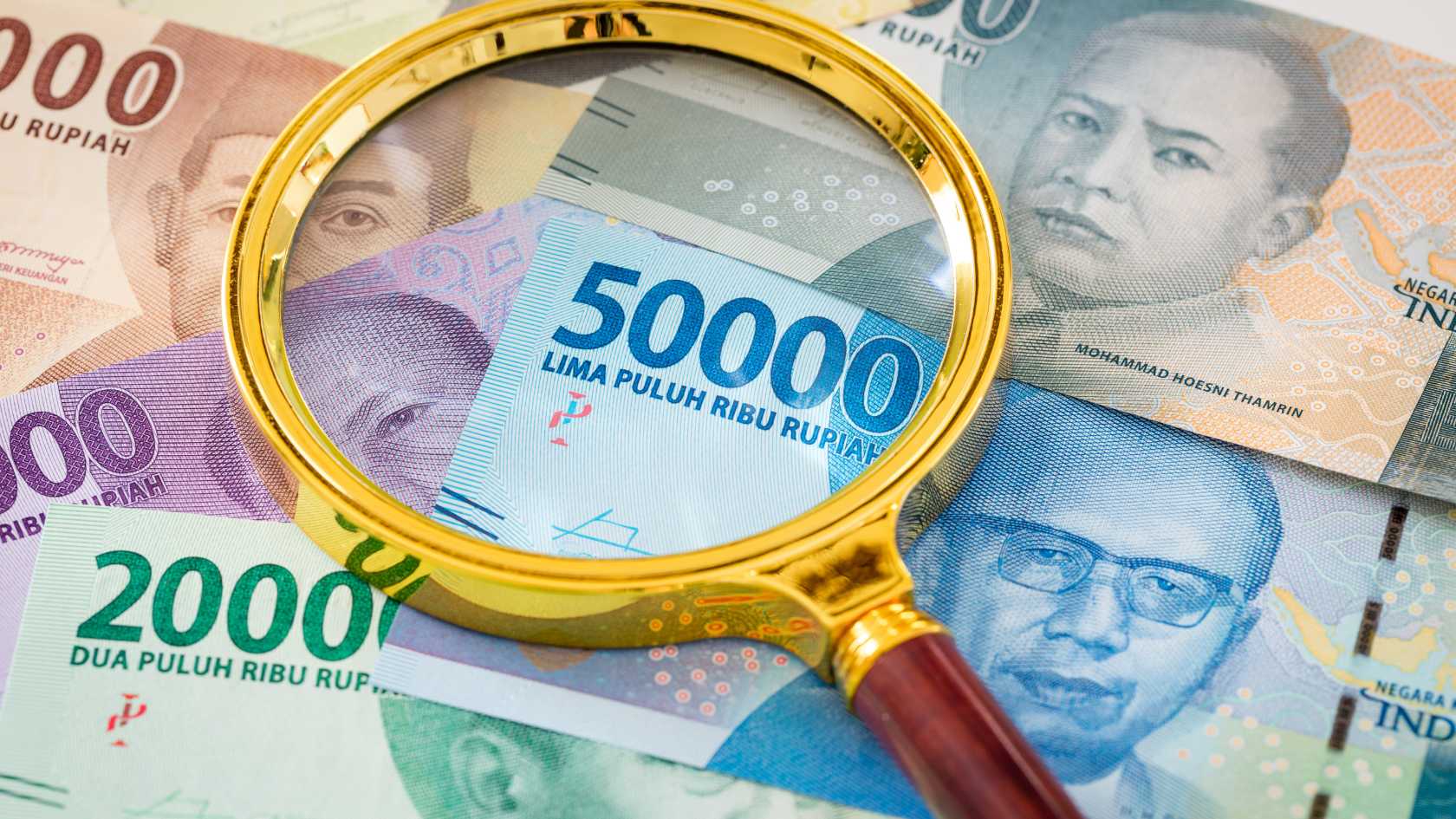
A magnifying glass over Indonesian rupiah banknotes symbolizing close examination of the rupiah redenomination plan.

The rupiah redenomination plan will not harm Indonesia’s investment climate, according to Danantara Chief Operating Officer (COO) Dony Oskaria. He expressed strong confidence that the government has thoroughly studied the policy before moving forward. Speaking to the media in Jakarta on November 11, Dony reassured the public that the redenomination plan aims to strengthen, not destabilize, Indonesia’s economy. He emphasized that every government decision goes through a careful review to maintain national stability and investor trust.

Dony explained that the redenomination policy should not raise concern among business players. Instead, it demonstrates how the government continues to prioritize long-term economic health and public confidence. He stated that the private sector should focus on growth and cooperation rather than fear of potential market shifts.


Government’s Confidence in the Rupiah Redenomination Plan

The Indonesian government remains confident in the rupiah redenomination plan, having prepared it through a comprehensive and strategic framework. The policy forms part of the Ministry of Finance’s long-term vision to modernize the currency system and strengthen economic efficiency. Official documents show that the government targets completion of the redenomination process by 2027, as outlined in the Ministry of Finance Regulation (PMK) Number 70 of 2025.

This regulation also details the 2025–2029 Strategic Plan, highlighting redenomination as one of four major draft laws under preparation. The government believes that simplifying the currency will make financial transactions more efficient, improve competitiveness, and reduce the risk of confusion among consumers and businesses. Overall, the plan aims to reinforce the nation’s economic credibility and support sustainable growth.


Read More: Government Urges Switzerland to Boost Investments in Indonesia


Danantara’s Assurance to Investors

Danantara has shown complete trust in the government’s decision-making process regarding the redenomination policy. Dony Oskaria stated, “Oh, I think the government has surely thought it through. There must have been an in-depth study, so there’s no need to worry.”

He further emphasized that Danantara has no concern about potential negative effects on investment. “Oh, not at all, not in the slightest (worried), because for us, whatever the government does must be something good and well-considered. It’s impossible to make a policy without deep consideration — everything has surely been well thought out,” Dony added.

This position demonstrates how the private sector continues to align with national policy objectives. Danantara believes the government always prioritizes national interests, ensuring that reforms such as redenomination enhance welfare and business sustainability.


Read More: Danantara to Invest Rp165T, Targets Local and Global Deals


Economic Efficiency Drives the Rupiah Redenomination Plan

The rupiah redenomination plan aims to simplify currency values and streamline financial transactions. According to the Ministry of Finance, the reform seeks to create a more efficient and competitive economic environment. It also aligns with Indonesia’s broader goal of improving global market confidence in the rupiah.

Redenomination helps strengthen the credibility of the national currency while maintaining its real value. The process does not reduce people’s purchasing power or change the actual worth of goods and services. Instead, it improves clarity in pricing and accounting, especially in digital transactions and cross-border trade. Such measures are expected to make Indonesia’s economy more transparent, efficient, and future-ready.


Ensuring Long-Term Market Stability

The government continues to work closely with financial institutions to safeguard price stability during the redenomination transition. Coordination between the Ministry of Finance and Bank Indonesia ensures that monetary and fiscal policies stay aligned. This cooperation supports a smooth implementation process and prevents inflationary pressure.

Through consistent policy communication, the government also aims to maintain public trust. Clear messaging helps avoid confusion and reassures investors that the redenomination only changes the numerical expression of the currency, not its value. This proactive approach reinforces Indonesia’s reputation for economic resilience and policy discipline.


Building Confidence Through Stable Policy

Danantara’s confidence reflects the broader sentiment that Indonesia’s economic foundation remains strong. The rupiah redenomination plan serves as a tool to enhance efficiency and global competitiveness. By simplifying the national currency, Indonesia takes another step toward a more transparent and modern economy.

Ultimately, the policy strengthens market confidence and ensures long-term stability. As Dony Oskaria emphasized, the government always acts in the nation’s best interest, making decisions through deep analysis and careful planning. This approach keeps Indonesia’s economy on a steady path toward growth and international credibility.


Source: merdeka.com

Image: Andrzej Rostek / Getty Images 

Latest Article
NIB Registration Surges to 14.6 Million as MSMEs Dominate
Indonesia continues strengthening its business landscape as NIB registration reaches 14.6 million. The...
Australia Boosts Commitments to Expand Investment in Indonesia
Investment in Indonesia is gaining stronger traction as Australia accelerates its efforts to channel...
Tourism in Bali Close to 7 Million Visits by Year-End 2025
Tourism in Bali continues to strengthen as the province heads toward the final quarter of 2025. The Central...
Indonesian Customs Overhaul Ordered Amid Rising Scandals
Finance Minister Purbaya Yudhi Sadewa declares a full reform of the Directorate General of Customs and...
Finance Minister Purbaya to Launch Business Complaint Service
Finance Minister Purbaya Yudhi Sadewa has announced a key initiative to improve Indonesia’s business...

Andrzej Barski

Director of Seven Stones Indonesia

Andrzej is Co-owner/ Founder and Director of Seven Stones Indonesia. He was born in the UK to Polish parents and has been living in Indonesia for more than 33-years. He is a skilled writer, trainer and marketer with a deep understanding of Indonesia and its many cultures after spending many years travelling across the archipelago from North Sumatra to Irian Jaya.

His experience covers Marketing, Branding, Advertising, Publishing, Real Estate and Training for 5-Star Hotels and Resorts in Bali and Jakarta, which has given him a passion for the customer experience. He’s a published author and a regular contributor to local and regional publications. His interests include conservation, eco-conscious initiatives, spirituality and motorcycles. Andrzej speaks English and Indonesian.

Terje H. Nilsen

Director of Seven Stones Indonesia

Terje is from Norway and has been living in Indonesia for over 20-years. He first came to Indonesia as a child and after earning his degree in Business Administration from the University of Agder in Norway, he moved to Indonesia in 1993, where he has worked in leading positions in education and the fitness/ wellness industries all over Indonesia including Jakarta, Banjarmasin, Medan and Bali.

He was Co-owner and CEO of the Paradise Property Group for 10-years and led the company to great success. He is now Co-owner/ Founder and Director of Seven Stones Indonesia offering market entry services for foreign investors, legal advice, sourcing of investments and in particular real estate investments. He has a soft spot for eco-friendly and socially sustainable projects and investments, while his personal business strengths are in property law, tourism trends, macroeconomics, Indonesian government and regulations. His personal interests are in sport, adventure, history and spiritual experiences.

Terje’s leadership, drive and knowledge are recognised across many industries and his unrivalled network of high level contacts in government and business spans the globe. He believes you do good and do well but always in that order. Terje speaks English, Indonesian and Norwegian.

Contact Our Consultants

Ridwan Jasin Zachrie

CFO of Seven Stones Indonesia, Jakarta

Ridwan is one of Indonesia’s top executives with a long and illustrious career in the financial world. He holds several professional certifications including being a Certified Business Valuer (CBV) issued by the Australian Academy of Finance and Management; Broker-Dealer Representative (WPPE); and The Directorship Certification for Directors and Commissioners, issued by the Indonesian Institute of Commissioners and Directors.

His experience includes being the Managing Director at one of the top investment banking groups in the region, the Recapital Group, the CFO at State-owned enterprises in fishery industry and the CEO at Tanri Abeng & Son Holding. He’s also been an Independent Commissioner in several Financial Service companies and on the Audit and Risk Committee at Bank BTPN Tbk, Berau Coal Energy Tbk, Aetra Air Jakarta as well as working for Citibank, Bank Mandiri and HSBC. His last position was as CFO at PT Citra Putra Mandiri – OSO Group.

Ridwan has won a number of prestigious awards including the Best CFO Awards 2019 (Institute of Certified Management Accountant Australia-Indonesia); Asia Pacific Young Business Leader awarded by Asia 21 Network New York USA (Tokyo 2008); UK Alumni Business Awards 2008 awarded by the British Council; and The Most Inspiring Human Resources Practitioners’ version of Human Capital Magazine 2010.

He’s a member of the Board of Trustees of the Alumni Association of the Faculty of Law, Trisakti University, Co-Founder of the Paramadina Public Policy Institute and actively writes books, publications and articles in the mass media. He co-authored “Korupsi Mengorupsi Indonesia” in 2009, which helps those with an interest in understanding governance in Indonesia and the critical issue of corruption. Ridwan speaks Indonesian and English.

Per Fredrik Ecker

Managing Director of Seven Stones Indonesia, Jakarta

Per is the Managing Director of the Seven Stones Indonesia (SSI) Jakarta office and has more than 25-years’ experience in Indonesia, China, and Western Europe. He previously worked in senior management positions with Q-Free ASA, Siemens AG, and other companies in the telecom sector. Over the last six years, he has been the Chairman of the Indonesia-Norway Business Council (INBC) and recently become elected to be on the board of EuroCham Indonesia.

His most recent experience is within Intelligent Transport Solutions (ITS), Telecom, and other sectors within the Indonesian market. He is today through his position in SSI and by representing Norway Connect, promoting Nordic and European companies that would like to explore business opportunities in the Indonesian market. He’s also playing an active role to help create the Nordic House concept in Jakarta that will provide an excellent platform for Nordic companies entering Indonesia, where they’ll find a community that can offer support with trusted information and affordable services to enter this market.