
Finance Minister Purbaya Rejects Indonesia Tax Amnesty

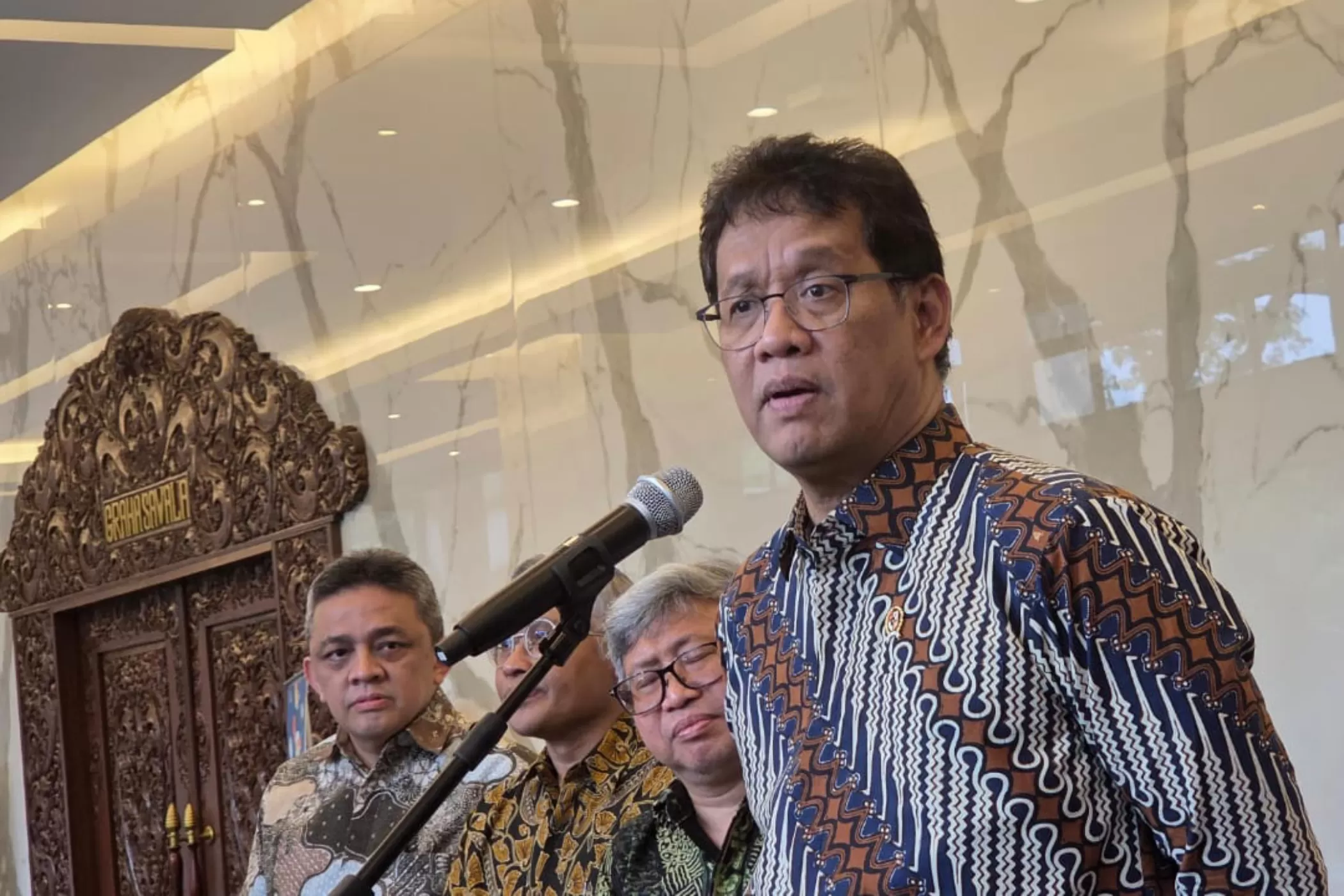
Finance Minister Purbaya speaks at a press conference after rejecting the proposed Indonesia Tax Amnesty policy.

The Indonesia Tax Amnesty debate resurfaced this week after Finance Minister Purbaya Yudhi Sadewa firmly rejected the idea of launching another round of the program. He argued that repeated amnesties damage the government’s credibility and encourage taxpayers to delay compliance in expectation of future forgiveness. His remarks reignited discussions about the fairness of the system and the direction of government tax policy.


Indonesia Tax Amnesty Debate Resurfaces

Tax amnesty in Indonesia is a program that allows taxpayers to disclose previously hidden assets and pay a redemption fee in exchange for relief. The program offers the removal of overdue principal tax, administrative sanctions, and even past tax crimes. Participants also avoid a 200 percent penalty if the Directorate General of Taxes later uncovers undisclosed assets.

The legal framework for Indonesia’s tax amnesty lies in Law Number 7 of 2021 on the Harmonization of Tax Regulations and Minister of Finance Regulation Number 196/PMK.03/2021. The most notable applications of this policy occurred during President Joko Widodo’s administration. The first was in 2016–2017, conducted in three phases over nine months, followed by the 2022 Voluntary Disclosure Program (PPS). While open to all taxpayers, these initiatives primarily attracted the wealthy with significant tax obligations.


Read More: Indonesia Extends 0.5 Percent Tax Break for MSMEs


Finance Minister Purbaya’s Strong Opposition

Finance Minister Purbaya has taken a firm stance against repeating such measures. He stressed that ongoing amnesties weaken the government’s credibility and reward non-compliance. “If amnesty happens repeatedly, what about its credibility? It signals to taxpayers that it’s fine to break the rules since there will be another amnesty in the future,” he said in Jakarta.

Purbaya elaborated further, pointing out how repeated programs foster a culture of dishonesty. “Every few years, we issue a tax amnesty. It’s already once, twice, then three, four, five, six, seven, eight, and so on. The message becomes: just cheat on your taxes and wait for the next amnesty to clear it up. That’s what must not happen.”

For him, tax amnesties serve as short-term incentives for evasion rather than long-term compliance. “If every two years there’s a tax amnesty, it will only incentivize people to cheat,” he emphasized.


Read More: Economic Policy Changes Under New Indonesia Finance Minister


Business Response to Tax Amnesty Rejection

Business groups have expressed mixed reactions to Purbaya’s rejection. Deputy Chair for Regional Autonomy at the Indonesian Chamber of Commerce and Industry (Kadin), Sarman Simanjorang, agreed that the program had limited impact. “Regarding the Finance Minister’s policy of not implementing tax amnesty, we have felt that the program has not been effective in improving tax compliance,” said Sarman.

He argued that the growth of digital services such as Coretax offers a more effective approach to building compliance. With easier access to tax systems, businesses have fewer excuses to delay or avoid reporting. Sarman urged the government to intensify outreach and improve service quality so that revenue targets can be achieved without relying on amnesty.

Leaders in the labor sector shared similar views. Bob Azam, Head of Manpower at APINDO, pointed to the negative effects on credibility. “What matters is building an environment where people enjoy paying taxes because they feel valued and respected. Not like now, where we feel like convicts,” he said. Bob also recommended adopting systems that reward trust, such as automatic tax refunds seen in other countries, which could foster confidence in Indonesia’s tax system.


Government Tax Policy Alternatives

Instead of new amnesty programs, the Finance Minister highlighted plans for a market-based approach to strengthen the national economy. The government aims to encourage Indonesians to bring their dollar savings back home through attractive incentives. “The plan is how to attract dollars that Indonesians like to keep abroad back into the country. It’s still not finalized, but we’re refining it. From what I see, the plan is actually very good,” said Purbaya.

Such a strategy could boost foreign exchange reserves, increase the supply of dollars in local banks, and support the financing of strategic government projects. More importantly, it offers a sustainable way to ensure that foreign currency inflows remain steady without relying on short-term forgiveness measures.


Future of Taxation in Indonesia

Finance Minister Purbaya’s rejection of repeated tax amnesty programs signals a turning point in Indonesia’s approach to taxation. His position underscores the need for credibility, fairness, and long-term compliance rather than quick fixes. With growing support for digital services, improved communication, and new market-based policies, Indonesia appears ready to shape a tax system that strengthens trust and encourages sustainable economic growth.


Source: money.kompas.com, tintahijau.com 

Image: Nurul Fitriana / JawaPos.com

Latest Article
NIB Registration Surges to 14.6 Million as MSMEs Dominate
Indonesia continues strengthening its business landscape as NIB registration reaches 14.6 million. The...
Australia Boosts Commitments to Expand Investment in Indonesia
Investment in Indonesia is gaining stronger traction as Australia accelerates its efforts to channel...
Tourism in Bali Close to 7 Million Visits by Year-End 2025
Tourism in Bali continues to strengthen as the province heads toward the final quarter of 2025. The Central...
Indonesian Customs Overhaul Ordered Amid Rising Scandals
Finance Minister Purbaya Yudhi Sadewa declares a full reform of the Directorate General of Customs and...
Finance Minister Purbaya to Launch Business Complaint Service
Finance Minister Purbaya Yudhi Sadewa has announced a key initiative to improve Indonesia’s business...

Andrzej Barski

Director of Seven Stones Indonesia

Andrzej is Co-owner/ Founder and Director of Seven Stones Indonesia. He was born in the UK to Polish parents and has been living in Indonesia for more than 33-years. He is a skilled writer, trainer and marketer with a deep understanding of Indonesia and its many cultures after spending many years travelling across the archipelago from North Sumatra to Irian Jaya.

His experience covers Marketing, Branding, Advertising, Publishing, Real Estate and Training for 5-Star Hotels and Resorts in Bali and Jakarta, which has given him a passion for the customer experience. He’s a published author and a regular contributor to local and regional publications. His interests include conservation, eco-conscious initiatives, spirituality and motorcycles. Andrzej speaks English and Indonesian.

Terje H. Nilsen

Director of Seven Stones Indonesia

Terje is from Norway and has been living in Indonesia for over 20-years. He first came to Indonesia as a child and after earning his degree in Business Administration from the University of Agder in Norway, he moved to Indonesia in 1993, where he has worked in leading positions in education and the fitness/ wellness industries all over Indonesia including Jakarta, Banjarmasin, Medan and Bali.

He was Co-owner and CEO of the Paradise Property Group for 10-years and led the company to great success. He is now Co-owner/ Founder and Director of Seven Stones Indonesia offering market entry services for foreign investors, legal advice, sourcing of investments and in particular real estate investments. He has a soft spot for eco-friendly and socially sustainable projects and investments, while his personal business strengths are in property law, tourism trends, macroeconomics, Indonesian government and regulations. His personal interests are in sport, adventure, history and spiritual experiences.

Terje’s leadership, drive and knowledge are recognised across many industries and his unrivalled network of high level contacts in government and business spans the globe. He believes you do good and do well but always in that order. Terje speaks English, Indonesian and Norwegian.

Contact Our Consultants

Ridwan Jasin Zachrie

CFO of Seven Stones Indonesia, Jakarta

Ridwan is one of Indonesia’s top executives with a long and illustrious career in the financial world. He holds several professional certifications including being a Certified Business Valuer (CBV) issued by the Australian Academy of Finance and Management; Broker-Dealer Representative (WPPE); and The Directorship Certification for Directors and Commissioners, issued by the Indonesian Institute of Commissioners and Directors.

His experience includes being the Managing Director at one of the top investment banking groups in the region, the Recapital Group, the CFO at State-owned enterprises in fishery industry and the CEO at Tanri Abeng & Son Holding. He’s also been an Independent Commissioner in several Financial Service companies and on the Audit and Risk Committee at Bank BTPN Tbk, Berau Coal Energy Tbk, Aetra Air Jakarta as well as working for Citibank, Bank Mandiri and HSBC. His last position was as CFO at PT Citra Putra Mandiri – OSO Group.

Ridwan has won a number of prestigious awards including the Best CFO Awards 2019 (Institute of Certified Management Accountant Australia-Indonesia); Asia Pacific Young Business Leader awarded by Asia 21 Network New York USA (Tokyo 2008); UK Alumni Business Awards 2008 awarded by the British Council; and The Most Inspiring Human Resources Practitioners’ version of Human Capital Magazine 2010.

He’s a member of the Board of Trustees of the Alumni Association of the Faculty of Law, Trisakti University, Co-Founder of the Paramadina Public Policy Institute and actively writes books, publications and articles in the mass media. He co-authored “Korupsi Mengorupsi Indonesia” in 2009, which helps those with an interest in understanding governance in Indonesia and the critical issue of corruption. Ridwan speaks Indonesian and English.

Per Fredrik Ecker

Managing Director of Seven Stones Indonesia, Jakarta

Per is the Managing Director of the Seven Stones Indonesia (SSI) Jakarta office and has more than 25-years’ experience in Indonesia, China, and Western Europe. He previously worked in senior management positions with Q-Free ASA, Siemens AG, and other companies in the telecom sector. Over the last six years, he has been the Chairman of the Indonesia-Norway Business Council (INBC) and recently become elected to be on the board of EuroCham Indonesia.

His most recent experience is within Intelligent Transport Solutions (ITS), Telecom, and other sectors within the Indonesian market. He is today through his position in SSI and by representing Norway Connect, promoting Nordic and European companies that would like to explore business opportunities in the Indonesian market. He’s also playing an active role to help create the Nordic House concept in Jakarta that will provide an excellent platform for Nordic companies entering Indonesia, where they’ll find a community that can offer support with trusted information and affordable services to enter this market.