
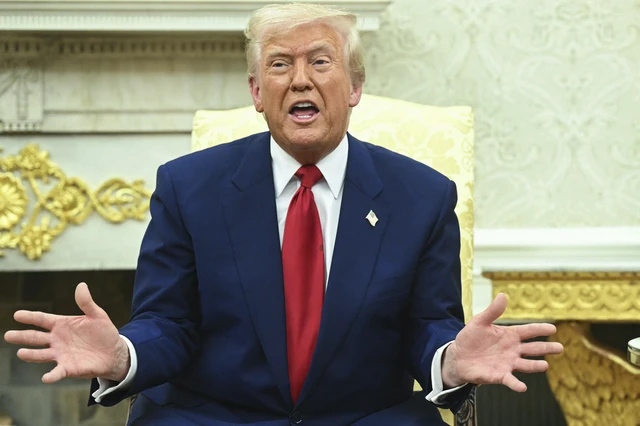
President Donald J. Trump has confirmed that the United States will maintain a 32% import tariff on Indonesian goods starting August 1, 2025. This decision, delivered in an official letter to President Prabowo Subianto, marks a critical moment in the ongoing trade tensions between the two countries. Despite active negotiations, Washington remains firm, citing long-standing trade imbalances and economic security concerns.
US Import Tariffs: Impact on Indonesia
The 32% US import tariffs will apply to all Indonesian products entering the United States, including re-exported goods aimed at circumventing duties. Trump defended the decision by pointing to unequal trade relations that he says have harmed the American economy. In the letter, he wrote, “For years, Indonesia has implemented various trade policies that have created a massive and persistent deficit for the United States.”
While Trump acknowledged that the 32% rate does not fully account for the scale of the imbalance, he called it a “fair first step.” He warned that any retaliatory action by Indonesia, such as raising its own tariffs, would prompt a further increase beyond the 32% already imposed. Trump also described Indonesia’s trade behavior as a threat to both the U.S. economy and national security.
“These tariffs can be raised or lowered depending on how our trade relationship develops. But believe me, you won’t be disappointed with the United States,” he added.
Read More: US Tariffs on Indonesia Won’t Impact Economy, Says ADB
Indonesia’s Energy Imports Proposal in Negotiations
To offset the impact of the US import tariffs and improve trade balance, Indonesia has proposed increasing its energy imports from the U.S. Deputy Minister of Energy and Mineral Resources Yuliot Tanjung said, “We’ve offered to help balance the trade by importing about US$15 billion worth of energy.”
The proposed imports include crude oil and liquefied petroleum gas (LPG). However, Indonesia clarified that it does not plan to import liquefied natural gas (LNG), as domestic production remains adequate. In fact, Indonesia is currently a net exporter of LNG.
Tanjung also mentioned that Indonesia has invited U.S. investment in its mining sector, particularly in rare earth metals and critical minerals. “Yes, we’ve already identified opportunities in rare earth metals and critical minerals. We’ve passed this on to Mr. Airlangga to be offered to the U.S.,” he stated.
Ongoing US-Indonesia Trade Relations and Negotiations
The US and Indonesia have maintained a complex trade relationship marked by sectoral tariffs and fluctuating balances. With the new tariff decision, Indonesia is working to find a path forward. Coordinating Minister for Economic Affairs Airlangga Hartarto flew to the United States on July 8 to continue negotiation
s and seek adjustments before the tariffs take effect.
Although discussions have been active, Trump reiterated his stance: the tariffs will remain unless Indonesia chooses to relocate production to the U.S. He promised, “We will process all permits professionally and quickly, within just a matter of weeks.”
Meanwhile, other Southeast Asian nations have seen varied outcomes. Thailand and Cambodia received tariff reductions from previous levels of 36% and 49%, respectively. Malaysia, however, saw an increase, with its tariff rising from 24% to 25%.
Read More: Indonesia’s “Special Team” to Negotiate Lower US Import Tariffs
Future Outlook on US Import Tariffs and Trade Talks
As of now, the 32% tariff stands, with both countries continuing dialogue. Trump expressed openness to adjusting the policy if Indonesia commits to U.S.-based production. While tensions persist, efforts to improve trade equity through increased imports and foreign investment continue.
Indonesia’s willingness to expand energy trade and attract U.S. investors signals a strategic move to maintain stable relations. The coming weeks will be critical as negotiations move forward and the economic impact unfolds.
Source: antaranews.com, nasional.kontan.co.id
Image: Saul Loeb/AFP