
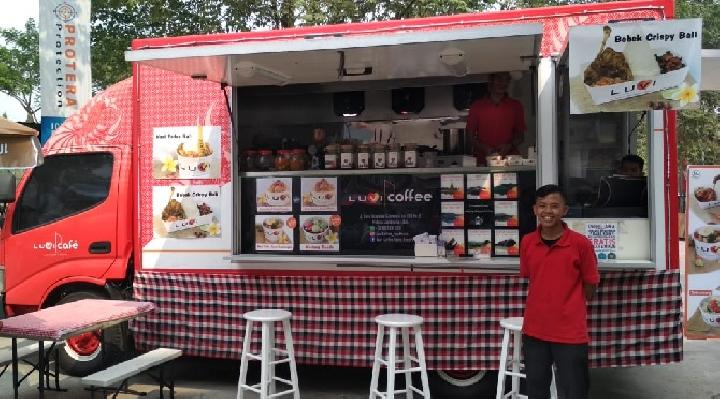
The food truck business in Indonesia is gaining momentum as both small entrepreneurs and major brands embrace this mobile culinary model. While the trend began overseas, it has quickly spread across Indonesian cities, appearing in parks, festivals, and office courtyards. The business offers a fresh, flexible approach to selling food that aligns well with modern consumer habits and urban lifestyles.
Flexibility and Low Setup Cost Drive Growth
One of the key reasons for the rise of the food truck business is its affordability. Unlike conventional restaurants that require permanent locations and high rental fees, food trucks operate from modified vehicles. Entrepreneurs can buy used pickup trucks for IDR 50–150 million, depending on the condition and age.
Modifying these vehicles into mini kitchens adds an extra IDR 15–50 million, especially if aiming for a traditional food stall look. While premium setups may cost more, building the truck in phases allows business owners to reinvest profits and grow sustainably.
This mobile food venture also avoids the cost of multiple physical branches. With a single truck, owners can visit several locations in a week and test different markets without long-term commitments.
Innovative Food Concepts Attract Consumers
Creativity plays a big role in a food truck’s appeal. Many vendors offer:
- Local specialty dishes that are hard to find elsewhere
- Healthy fast food that caters to health-conscious customers
- International cuisines like tacos, sushi, or pasta
- Sweet treats such as desserts, snacks, or iced drinks
- Kid-friendly meals in fun packaging
- Menus for special diets, including vegetarian and gluten-free options
Some also adopt a fusion concept, combining Asian and Western elements to create something new. These unique food truck ideas help vendors stand out in a competitive culinary scene.
Perfect for Events, Festivals, and Pop-Ups
Another reason for the food truck business boom is its presence at major events. Food trucks have become a staple at music festivals, community markets, and campus gatherings. Their mobility allows them to park in high-traffic zones and engage directly with their target audience.
Larger food and beverage brands now use food trucks not only to sell products but also to enhance branding efforts. These mobile outlets serve as trial spots for new menus and help companies expand into areas without permanent stores. This method offers a low-risk way to reach new markets and interact with customers face-to-face.
Leveraging Social Media for Promotion
Digital marketing plays a crucial role in a food truck’s success. Owners actively promote their brand on Instagram, TikTok, and other platforms. These channels help share:
- Daily locations
- Menu updates
- Special offers
- Behind-the-scenes content
Many food truck operators collaborate with influencers and food bloggers to generate buzz. Their visually appealing truck designs and photogenic food make them ideal for viral content. Positive customer reviews and user-generated posts often amplify their reach without spending on traditional ads.
Challenges and Opportunities in the Market
Despite its many advantages, the food truck business comes with its own set of challenges. Common issues include:
- Licensing restrictions and parking regulations
- Limited access to clean water and stable electricity
- Efficient kitchen management in compact spaces
However, with proper planning and a dedicated team, these obstacles are manageable. As urban populations grow and demand for unique dining experiences rises, the opportunities for food truck ventures continue to expand.
A Culinary Trend with Lasting Impact
The food truck business in Indonesia is no longer a passing trend. It has proven itself as a dynamic and scalable model for culinary entrepreneurs. With lower entry costs, visual appeal, and adaptability, food trucks meet the evolving needs of modern consumers. Whether you’re a small business owner or a major brand, the mobile food venture offers a promising way to connect with customers and drive growth in the vibrant Indonesian market.
Source: aspirasiku.id, unileverfoodsolutions.co.id
Image: TEMPO/Muhammad Kurnianto