
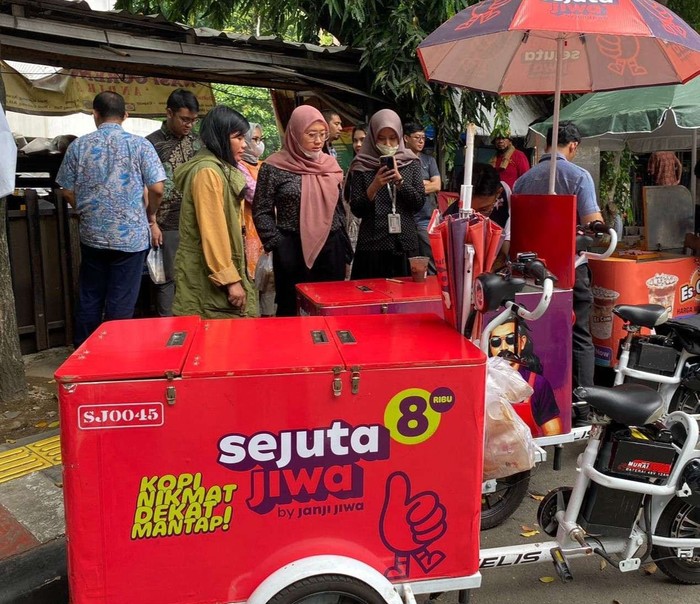
The coffee on wheels trend continues to gain traction across Jakarta as mobile vendors meet the growing demand for convenience and affordability. These mobile coffee carts have become a daily staple for young professionals seeking quick, quality caffeine without entering a traditional cafe.
Understanding the Coffee on Wheels Concept
Coffee on wheels refers to mobile cafes operating out of bicycles, motorcycles, or modified vehicles such as vans and bajaj. These vendors park near office complexes, campuses, and residential areas to serve freshly brewed coffee.
The concept became especially popular during the COVID-19 pandemic when social restrictions forced cafes to limit operations. Business owners pivoted to mobile setups to survive and discovered a lasting model that offers flexibility and wide reach.
Affordable and Convenient for Office Workers
Young professionals are at the heart of this trend. With demanding schedules and limited time, many prefer a quick coffee stop just outside their office buildings. Bella, an office worker in Kuningan, South Jakarta, shared, “It’s cheap and easy to buy, usually right outside the office or near where I get lunch.”
She drinks coffee almost every day, especially those mixed with milk and a little sugar. “I usually drink coffee while working, to help me focus,” she added as cited by Liputan6.com. The price, ranging from IDR 10,000 to 20,000, offers a practical solution for daily caffeine needs without breaking the bank.
How Coffee on Wheels Brands Are Expanding
One notable brand leading this movement is Kopi Calf. Founder Danang launched their mobile baristas in mid-2023. “The reason, of course, is an additional business stream, which is a different game from Calf’s usual operations,” he said.
Kopi Calf uses a mix of electric bicycles and bajaj to reach customers in South Jakarta and Bekasi. “We were the first to use bajaj for longer distances,” Danang noted. They determine their routes based on Instagram polls and data on population density and available space. “Our ‘Calf on the Road’ routes are always announced on Instagram,” he added.
Danang emphasized that quality remains consistent across all their outlets. “We will not lower our quality just to enter a price war,” he stated. Their mobile coffee is priced slightly higher than competitors to reflect this commitment.
Coffee Culture Goes Mobile
The roaming coffee trend makes specialty coffee more accessible to the wider public. Previously associated with upscale cafes, quality brews are now available on the street. This shift democratizes coffee culture and supports small entrepreneurs who bring the experience directly to the community.
Some vendors even engage in social initiatives, offering free coffee or participating in local charity events. These efforts deepen community ties and make mobile coffee carts a familiar and welcome presence in many neighborhoods.
The Future of Coffee on Wheels in Jakarta
Kopi Calf plans to expand its fleet in 2025. Electric bikes will cover short routes, while bajaj will continue serving high-traffic office zones. The business also considers menu innovations to meet evolving tastes. Danang mentioned that customers can expect the brand to be even more accessible next year, though he declined to share specific plans.
Ibrahim, a private-sector employee in Sudirman, added, “Mobile coffee is easy to get, cheap, and for the price, it tastes pretty good—it’s not instant coffee.” He doesn’t drink coffee daily but appreciates the convenience when he does.
A Lifestyle Shift in Every Sip
The coffee on wheels trend reflects more than just a change in how people buy coffee. It represents a shift in lifestyle toward efficiency, accessibility, and local connection. As more young professionals embrace this trend, mobile coffee may redefine how Jakarta enjoys its daily brew.
Source: liputan6.com, ottencoffee.co.id
Image: food.detik.com / Site News RRR