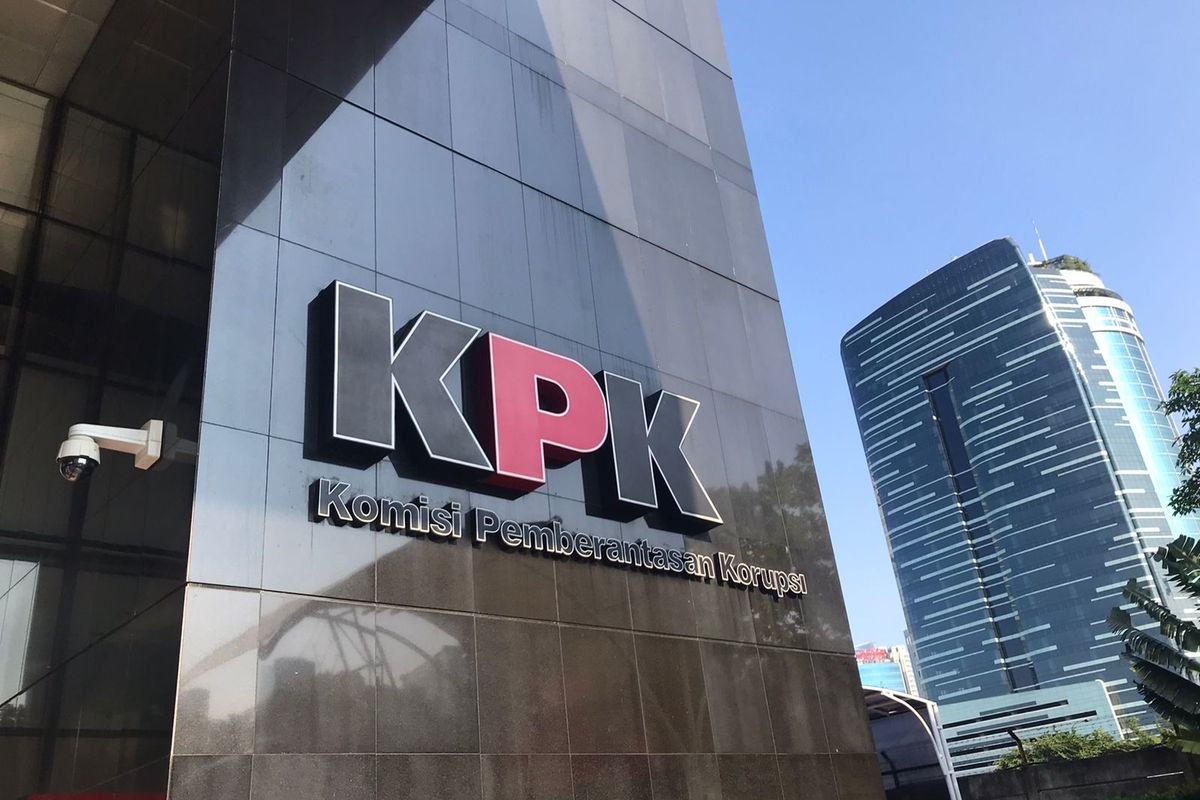
Corruption prevention efforts remain central to Indonesia’s economic reform, as the Corruption Eradication Commission (KPK) urges public officials to uphold integrity in business licensing. In a recent statement, the KPK emphasized that transparency and ethics directly influence investor confidence in the country. As Indonesia continues to compete for global investment, fostering a corruption-free environment is essential for sustainable economic growth.
Corruption Prevention Efforts Target Business Licensing
The KPK continues to push for transparency and accountability in business licensing to minimize bribery and gratuity. According to Friesmount Wongso, Acting Director of the Directorate of Community Participation Development at KPK, “Integrity is the key to business sustainability. A business that upholds ethics and transparency will be more trusted by partners, consumers, and investors.” He said, as reported by mediaindonesia.com.
Wongso stressed that denying bribery and illicit incentives should not only be viewed as an anti-corruption move, but also as a foundation for a competitive business future. He added, “This is not just about preventing corruption, but building a business future with strong competitiveness.”
Business Transparency and Integrity Drive Investor Trust
The KPK encourages business owners to create transparent systems that eliminate room for unethical practices. Wongso stated, “When business actors reject bribes and build transparent systems, it will have a positive impact on investor and public trust.”
Businesses that adopt ethical standards not only avoid legal risks but also attract long-term investors. Transparent operations enhance reputation and demonstrate commitment to clean governance, which global investors increasingly demand.
Investor Confidence in Indonesia Still Vulnerable
Despite positive initiatives, investor confidence in Indonesia remains vulnerable due to ongoing corruption risks. From 2004 to 2024, the KPK handled 1,052 bribery and gratuity cases and 407 procurement-related cases. Notably, 468 of these involved individuals from the private sector.
These figures underscore the need for stronger commitment to ethical conduct within the business community. Wongso warned that companies remain at risk if they fail to strengthen their integrity policies.
In addition, the 2024 Corruption Perceptions Index (CPI) revealed how business-related corruption impacts Indonesia’s national reputation. The assessment included indicators such as susceptibility to bribery, prevalence of unofficial payments, and the overall cleanliness of the business ecosystem.
Corruption Prevention Efforts Include Family Education
The KPK also recognizes that building a corruption-free nation starts at home. Through its Integrity Family program (Keluarga Berintegritas or KERTAS), the KPK offers technical guidance to families of state officials.
David Sepriwasa, a KPK analyst, explained, as cited by inilah.com, “The family is the first and foremost environment for instilling values of honesty and integrity. Therefore, developing honesty and openness within the family environment becomes very important.”
He added, “Especially for a state official, integrity values must be formed early through family upbringing.”
By promoting ethical behavior in personal spheres, the KPK hopes to foster a culture of integrity that extends into public service and private enterprise alike.
Building Sustainable Business Practices with Integrity
Sustainable business development, according to the KPK, depends entirely on strong ethical foundations. As international investors scrutinize the legal and moral climate of emerging markets, Indonesia must ensure its systems reward transparency and punish corruption.
The message is clear: businesses, government officials, and families must work together to build an ecosystem where integrity drives prosperity. Corruption prevention efforts must evolve from a legal requirement to a shared national value, one that secures Indonesia’s future in the global economy.
Source: inilah.com, mediaindonesia.com
Image: Kompas.com / IRFAN KAMIL