
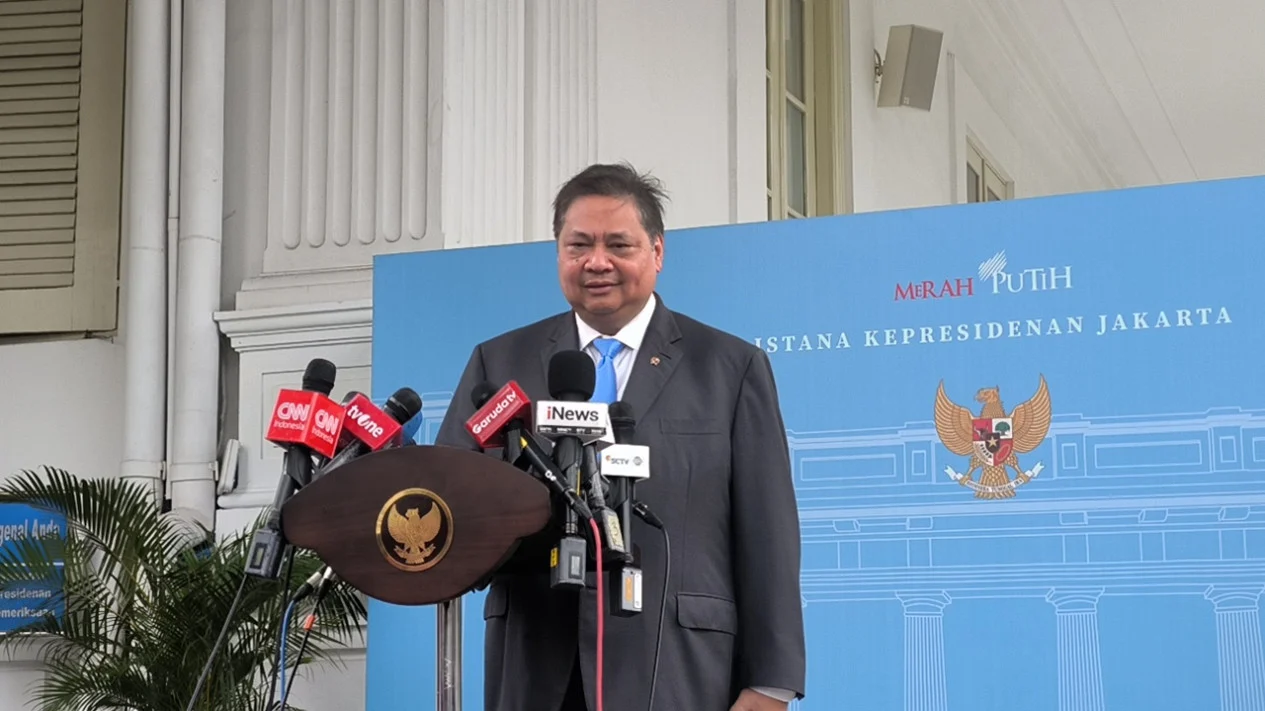
Indonesia has launched a diplomatic initiative to lower US import tariffs, signaling a proactive stance in defending its trade interests. President Prabowo Subianto has deployed a dedicated delegation, referred to as a “special team,” to engage in high-level negotiations with US officials. The move follows the United States’ decision to impose a 32% tariff on certain Indonesian exports, with an additional 10% tariff applied universally to all imports.
Indonesia’s Mission to Lower US Import Tariffs
The primary goal of this mission is to reduce the burden of US import tariffs on Indonesian products. While US President Donald Trump announced a temporary three-month delay in implementing the 32% tariff, the administration still enforces a 10% blanket tariff on imports from all countries, including Indonesia. This effort underscores Indonesia’s urgency to secure fairer trade terms and protect local industries.
“There is a classification related to tariffs, non-tariffs, and investment. It has been formulated. A team will depart shortly,” said Coordinating Minister for Political, Legal, and Security Affairs Budi Gunawan, as cited by Detik.com.
The talks are expected to cover specific commodities affected by tariffs and open the door to deeper investment discussions between the two nations.
Who’s on Indonesia’s Trade Negotiation Team
The negotiation team consists of top-ranking officials with extensive experience in international relations and economic affairs. Foreign Minister Sugiono, Coordinating Minister for Economic Affairs Airlangga Hartarto, Finance Minister Sri Mulyani Indrawati, and Deputy Chair of the National Economic Council Mari Elka Pangestu lead the delegation. Supporting them are Deputy Finance Minister Thomas Djiwandono and Deputy Foreign Minister Arrmanatha Nasir.
This team reflects the Indonesian government’s strategic approach under President Prabowo’s leadership to ensure balanced and effective diplomacy.
Prabowo’s Trade Strategy and Economic Goals
President Prabowo aims to position Indonesia as a competitive global trade player. His strategy emphasizes assertive negotiation and the pursuit of reciprocal agreements. By directing a coordinated response to the US tariffs, Prabowo shows his intent to align foreign policy with economic resilience.
“There will be a team going, and they are already prepared,” Budi Gunawan confirmed, stressing the administration’s readiness.
The President’s instructions focus on evaluating tariff classifications and identifying areas for potential US investment in Indonesia. This includes leveraging Indonesia’s growing economy to attract mutually beneficial trade deals.
Lower US Import Tariffs: What’s at Stake?
High US import tariffs pose serious risks to Indonesia’s export-driven sectors. Key industries such as manufacturing, textiles, and agriculture may experience reduced competitiveness in the global market if tariffs remain unchanged. As a result, this negotiation seeks to restore export momentum and stabilize economic growth.
“The target is definitely a few rounds of discussion. What matters is that [the tariffs] are lowered,” said Airlangga Hartarto.
The delegation aims to secure a more favorable tariff structure that supports Indonesian exporters and encourages long-term trade growth.
What’s Next in Indonesia-US Trade Negotiations?
Airlangga and the team will engage with several key institutions during their visit to Washington, D.C., including the US Trade Representative (USTR), the US Department of the Treasury, and major business councils like the US-ASEAN Business Council and USINDO.
Airlangga shared, “Indonesia wants something concrete, so a specific outcome is more important. In the framework of a potential agreement, we are looking at either a limited Free Trade Agreement or a format similar to the former Trade and Investment Framework Agreement (TIFA) with the US.” he said.
These negotiations mark a pivotal moment for US-Indonesia trade relations. With a prepared delegation and clear objectives, Indonesia is taking a firm step toward reshaping its international trade dynamics.
Source: finance.detik.com
Image: VIVA.co.id/Yeni Lestari