The Indonesia Norway Environmental Cooperation is gaining momentum as both nations actively engage in discussions to expand their collaboration in the environmental sector. The Indonesian government, represented by the Ministry of Environment and Forestry, is working closely with the Norwegian government to explore new opportunities.
These discussions focus on critical issues such as climate change and the necessary actions required to address these challenges effectively. By enhancing their partnership, Indonesia and Norway aim to implement innovative solutions that promote sustainability and environmental protection.
Key Initiatives of the Indonesia Norway Environmental Cooperation
As part of the ongoing discussions, various sectors related to climate change management were addressed, including waste management and the rehabilitation of mangroves and peatlands.
Both Indonesia and Norway recognize the importance of these areas in their environmental cooperation efforts. Additionally, the topic of carbon trading was a significant focus, especially since Indonesia launched its international carbon trading program at the beginning of last year.
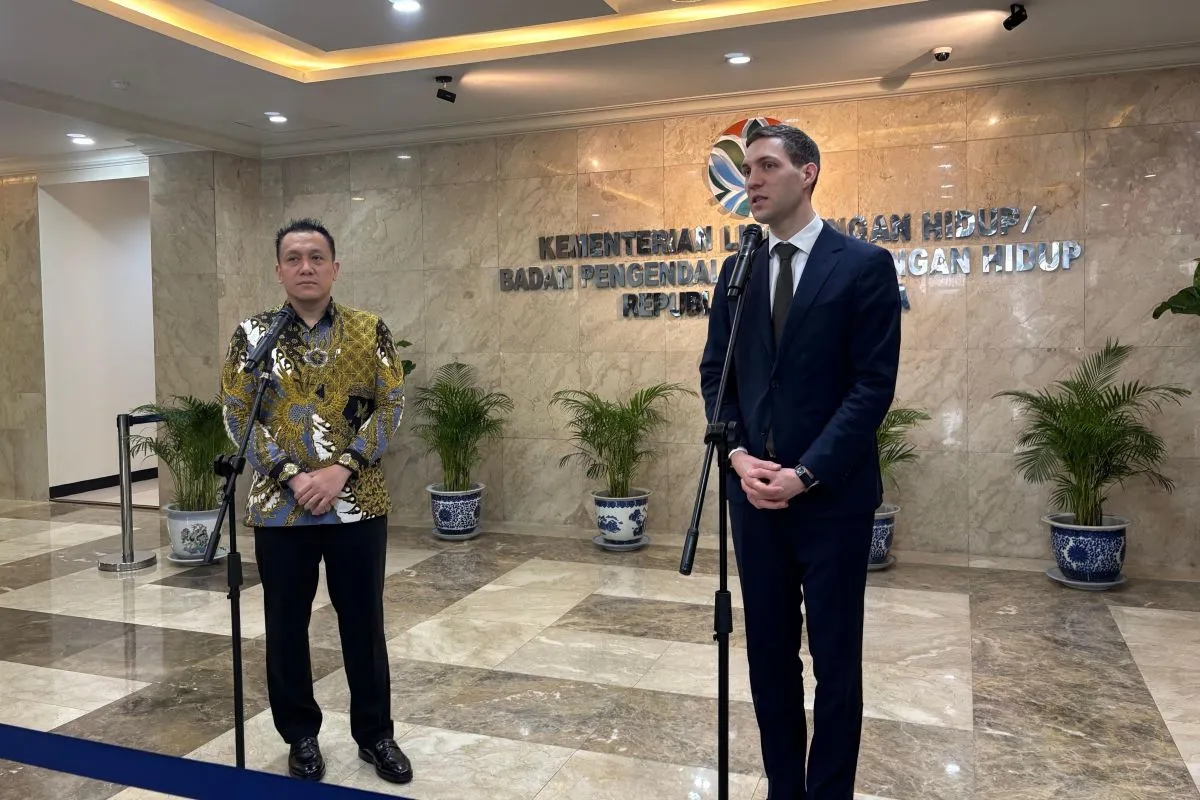
In a press conference following the meeting at the Ministry of Environment and Forestry office in Jakarta on Wednesday, February 19, Deputy Minister of Environment Diaz Hendropriyono emphasized the broader implications of their discussions.
“We also agreed that this idea is not just about reducing emissions, but also about creating jobs. I believe that by having this idea together, we can achieve what is called sustainable development.” He said as reported by AntaraNews. This perspective highlights the dual goals of reducing greenhouse gas emissions while fostering economic growth through sustainable practices.
Collaborative Efforts to Combat Climate Change
The partnership between Indonesia and Norway emphasizes collaborative efforts to combat climate change. Both countries recognize that addressing this global challenge requires innovative solutions and shared responsibilities.
Indonesia is committed to achieving Net Zero Emissions (NZE) by 2060 or sooner, reflecting its ambitious climate action targets. By collaborating with Norway, which has extensive environmental management experience, Indonesia seeks to implement effective policies aligned with international climate agreements.
Strategies such as investing in renewable energy and promoting research and innovation in green technologies are potential avenues for combating climate change. One of the key areas where both countries are actively working together is in sustainable forestry management, a crucial component in reducing carbon emissions and protecting biodiversity.
Sustainable Forestry Management
Forestry management practices play a crucial role in combating climate change. Norway has made significant financial contributions, totaling $216 million, to support Indonesia’s verified efforts in reducing emissions from deforestation and forest degradation.
The funding follows a four-phase Result-Based Contribution (RBC) model, ensuring measurable progress in sustainable forestry management.
The Indonesian government manages these results-based contributions through the Environmental Fund Management Agency, ensuring that the funds are utilized effectively to promote sustainable practices.
By focusing on sustainable forestry, both countries aim to preserve biodiversity, enhance ecosystem services, and contribute to their ambitious climate targets.
This partnership not only strengthens their commitment to environmental sustainability but also fosters economic opportunities within local communities reliant on forest resources.
Indonesia-Norway Partnership: Advancing Sustainability and Economic Growth
Norwegian Minister of Climate and Environment, Andreas Bjelland Eriksen, has expressed his appreciation for the strong cooperation that has developed over the years. He views the environmental collaboration between the two nations as a promising opportunity that he hopes to fully realize.
“I see great potential for areas of collaboration that we can pursue. We can work together on many issues, not only to rapidly reduce emissions but also to create jobs and opportunities, generating value for Indonesia,” said Andreas. This sentiment underscores the mutual benefits of their partnership, highlighting the potential for innovative solutions that address both environmental challenges and economic growth.
As Indonesia and Norway continue to strengthen their cooperation, they pave the way for a more sustainable future, demonstrating the power of international collaboration in tackling pressing global issues.
Source: antaranews.com, ppid.menlhk.go.id
Image: ANTARA/Prisca Triferna